Leave Your Message
- Phone
- E-mail
- Whatsapp
- Whatsapp

As the world moves more and more toward sustainable energy, things like Solar Power Inverters are really becoming a big deal. Did you know that the global solar energy market is expected to grow at an annual rate of over 20% between 2021 and 2028? (Thanks, Grand View Research!) That’s why it’s so important for both businesses and homeowners to tap into this renewable resource the right way.
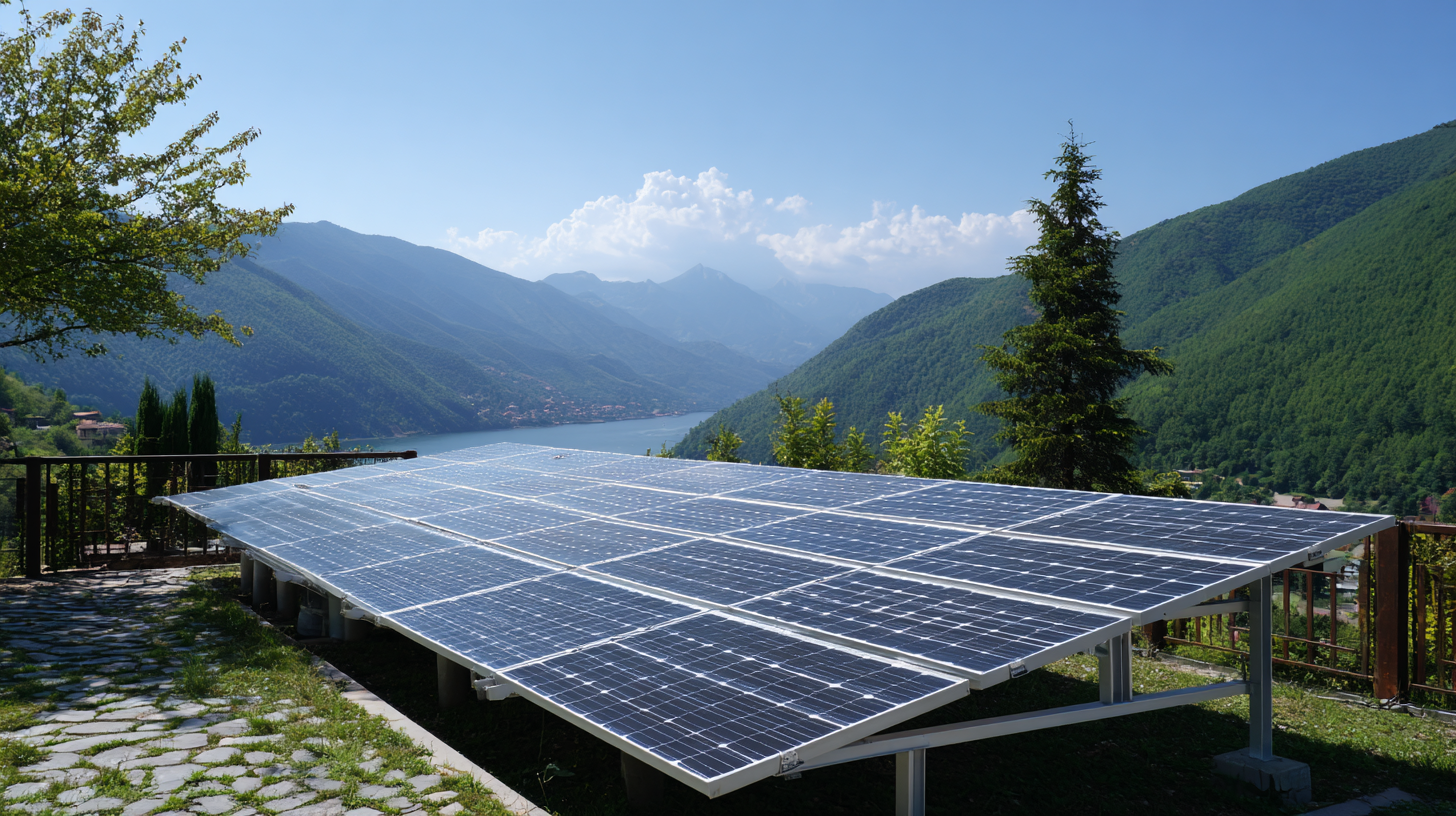
Solar Power Inverters do a lot—they not only turn sunlight into electricity you can actually use, but they also make your system run more efficiently and reliably. Here at Bangzhao Electric Co., Ltd., we’ve been part of this journey for over a decade, pushing forward with cool tech like lithium battery storage and Pure Sine Wave Inverters to help maximize solar system performance. When you combine innovative tech with energy solutions, it’s easier for our customers to build a more sustainable future, cut down on their carbon footprint, and save a bit on energy costs too. It’s pretty exciting stuff, honestly.
Solar power inverters are pretty much the heart of making your home's energy setup work efficiently. Think of them as the crucial link that connects your solar panels to your household outlets. Basically, they take the direct current (DC) that your solar panels produce and turn it into the alternating current (AC) that your appliances actually use. Some of the newer inverter tech is pretty cool — not only do they handle energy conversion more efficiently, but many come with smart monitoring features. These let you keep an eye on your energy use in real-time, so you can tweak things around to save a bit on your bills.
On top of that, modern inverters are pretty smart when it comes to managing your energy and keeping the grid stable. They can adjust how much power they send out based on what's needed at any given moment and even work smoothly with battery storage systems. That means you can store energy generated during sunny days and use it during peak hours or power outages — pretty handy, right? All these features combined help cut down costs, reduce your reliance on fossil fuels, and make your home more eco-friendly. Overall, adding a Solar Inverter isn’t just about going green — it’s about making your energy use smarter and more sustainable in the long run.
| Feature | Description | Benefit |
|---|---|---|
| Energy Conversion Efficiency | The efficiency rate at which solar inverters convert DC to AC. | Maximizes usable solar energy, leading to cost savings. |
| Smart Monitoring | Remote monitoring of system performance via apps or web interfaces. | Allows for quick identification and resolution of issues. |
| Grid Independence | Ability to operate off-grid or during power outages. | Enhances energy security and reliability. |
| Compatibility with Battery Storage | Works efficiently with battery storage systems. | Enables home energy storage for later use, reducing dependency on the grid. |
| Durability and Warranty | Long-lasting components with substantial warranty periods. | Ensures long-term reliability and performance without frequent replacements. |
The efficient transition of power from shore to ship is crucial for maritime operations, especially during port activities. According to the International Maritime Organization (IMO), utilizing shore power can reduce a vessel's greenhouse gas emissions by up to 90% while at berth, significantly contributing to environmental sustainability. As shipping companies strive to meet stricter emission regulations and adopt greener practices, the demand for reliable shore-to-ship power Voltage Converters has surged.
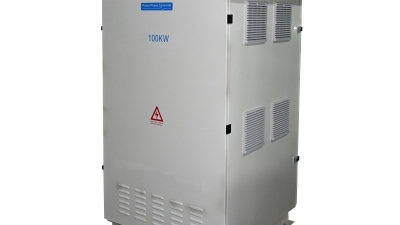
Our meticulously engineered outdoor shore-to-ship power converter is at the forefront of this technological advancement. Designed to seamlessly convert shore power into electricity that is compatible with various shipboard equipment, our converter ensures robust performance and operational safety. It meets the highest industry standards, providing a dependable solution that allows vessels to maintain essential functions without running their auxiliary engines. This not only enhances energy efficiency but also mitigates noise and air pollution in port areas, aligning with global sustainability initiatives.
The effectiveness of shore-to-ship power systems is further emphasized by a report from the Global Maritime Forum, which suggests that the implementation of shore power technology could save the shipping industry approximately $20 billion annually in fuel costs. By investing in state-of-the-art power conversion solutions, shipping operators can leverage these savings while also fulfilling their commitments to greener practices and improved operational efficiency.
: Solar power inverters convert the direct current (DC) generated by solar panels into alternating current (AC), making the energy usable for standard household appliances.
Advanced inverter technologies enhance energy conversion efficiency and include smart monitoring systems that help homeowners track energy usage in real-time, optimizing consumption patterns.
Yes, modern solar inverters improve grid stability by adjusting energy output based on demand and integrating with battery storage solutions.
Battery storage allows homeowners to utilize stored solar energy during peak usage times or outages, leading to significant cost savings on electricity bills.
Smart inverters integrate advanced communication technology for real-time energy management and grid stability, optimizing energy production and aiding the transition to decentralized energy systems.
Future trends include advancements such as multi-MPPT (Maximum Power Point Tracking) technology, which allows inverters to extract maximum energy from solar arrays under varying conditions.
The global market for solar inverters is projected to reach $20 billion by 2026, driven by increased solar installations and the push for energy efficiency.
The multi-MPPT inverter segment is projected to grow at a compound annual growth rate (CAGR) of 15% through 2025.
Improved efficiency and performance of solar inverters contribute to reduced energy costs and support the global shift towards renewable energy, promoting a more sustainable future.
By maximizing the use of solar energy and integrating with battery storage, solar power inverters help decrease the reliance on fossil fuels for energy consumption.
When you're looking into sustainable energy options, Solar Power Inverters are pretty much a game-changer for making everything more efficient at home. Basically, they turn the direct current (DC) from your solar panels into alternating current (AC), so you can actually use the solar energy you generate. Good quality inverters usually come with cool features like advanced monitoring, solid reliability, and compatibility with different solar setups—whether it’s string inverters or microinverters. And honestly, investing in one can save you quite a bit of money in the long run, giving you a pretty nice return on your investment.
Plus, these inverters help keep the power grid stable and reliable, so you’re less likely to experience outages, even during times when everyone’s demanding a lot of power. Looking ahead, the tech behind Solar Power Inverters keeps getting better, with new advancements that make energy systems more efficient and eco-friendly. Here at Bangzhao Electric Co., Ltd., we’re all about providing top-notch solutions, including top-quality solar inverters, to help more folks switch to renewable energy without a hitch.
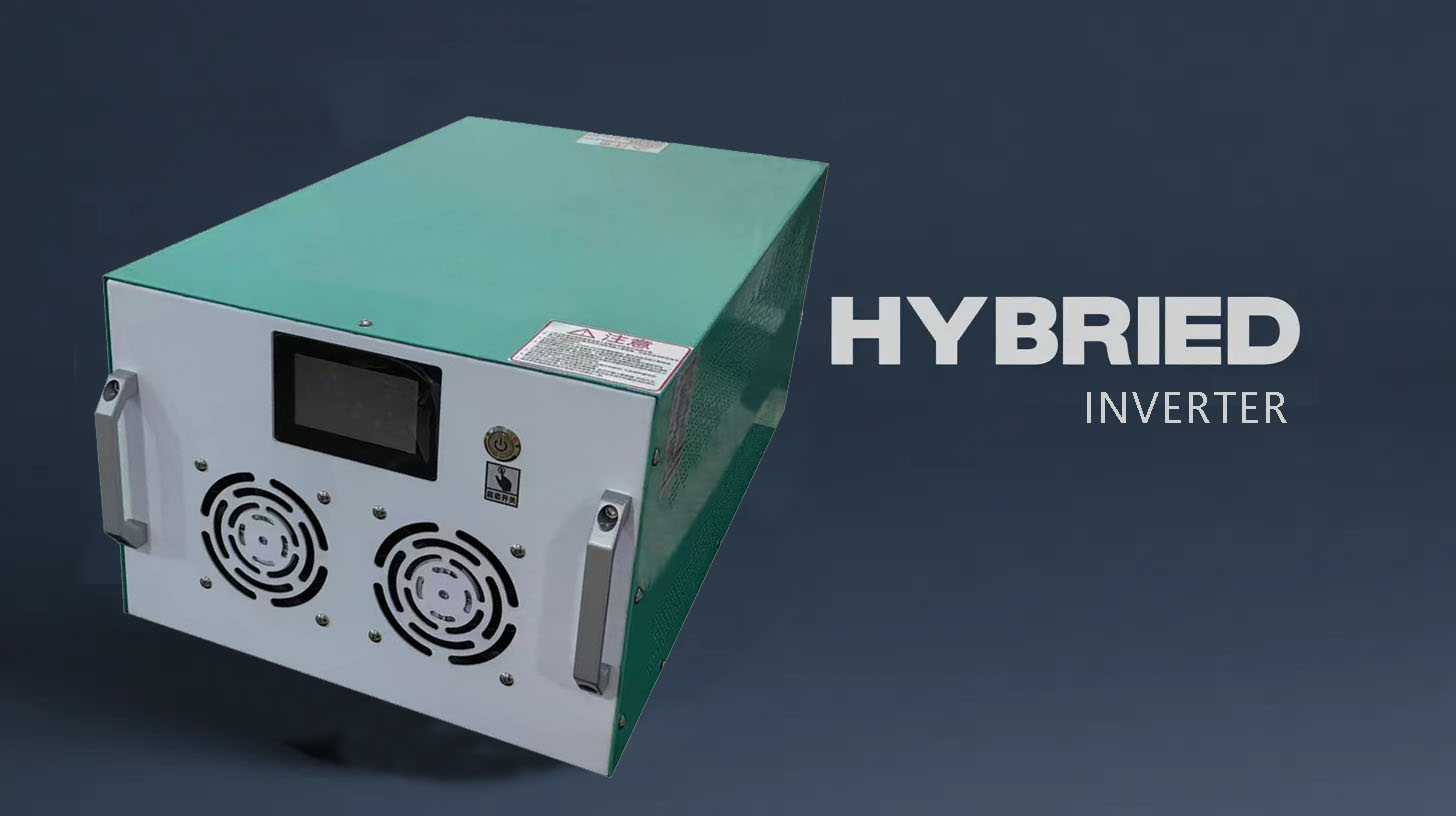
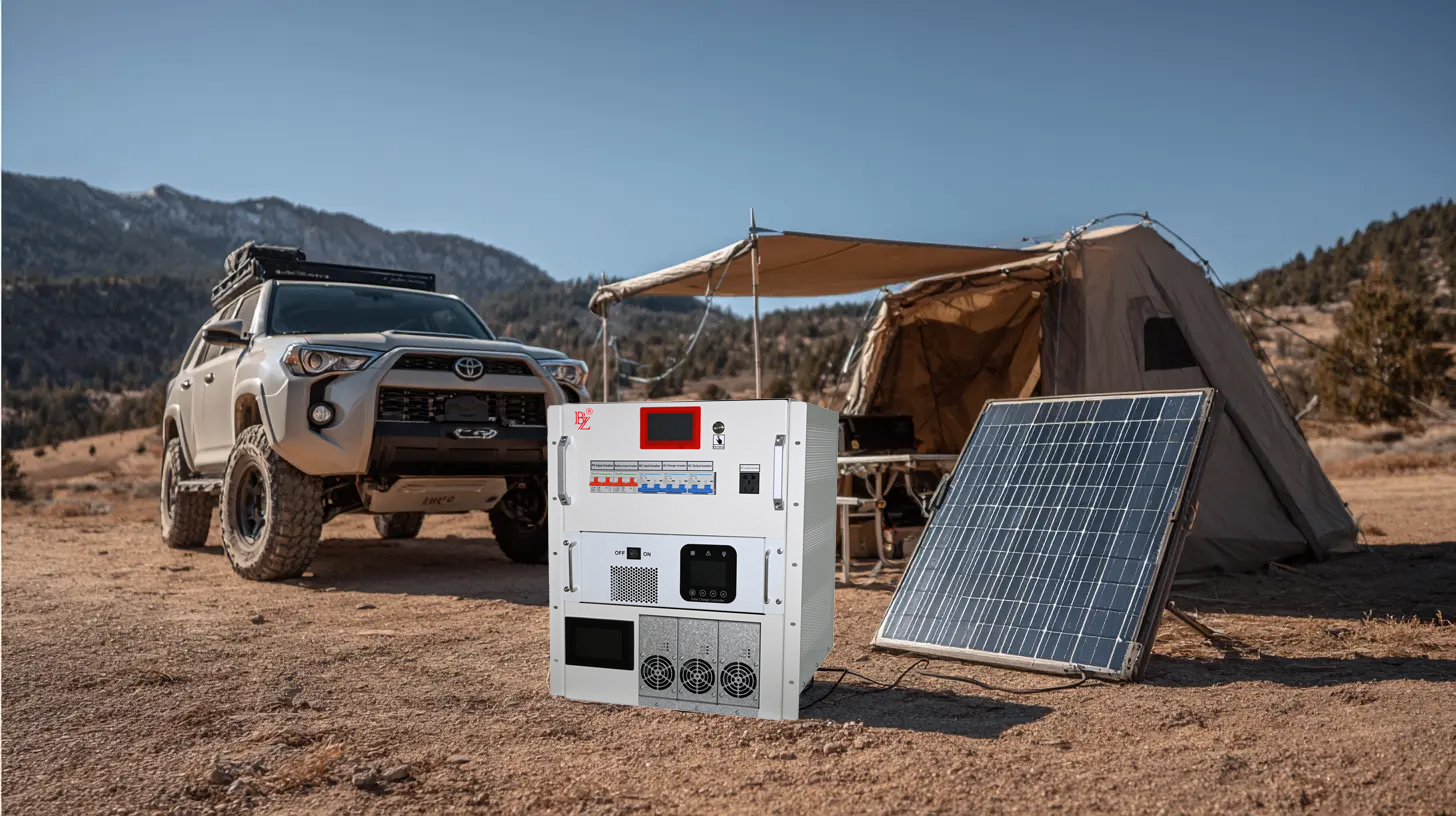
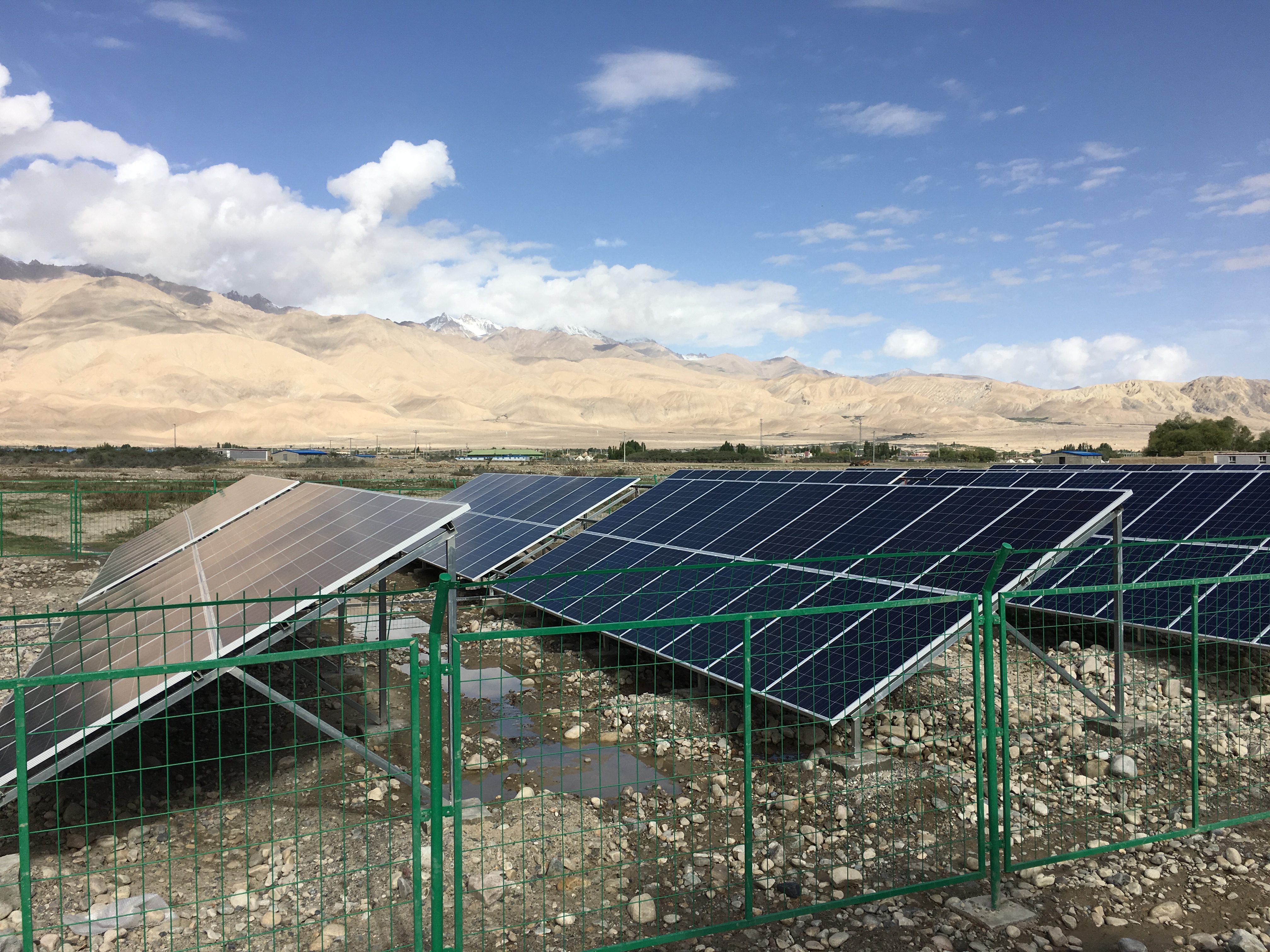

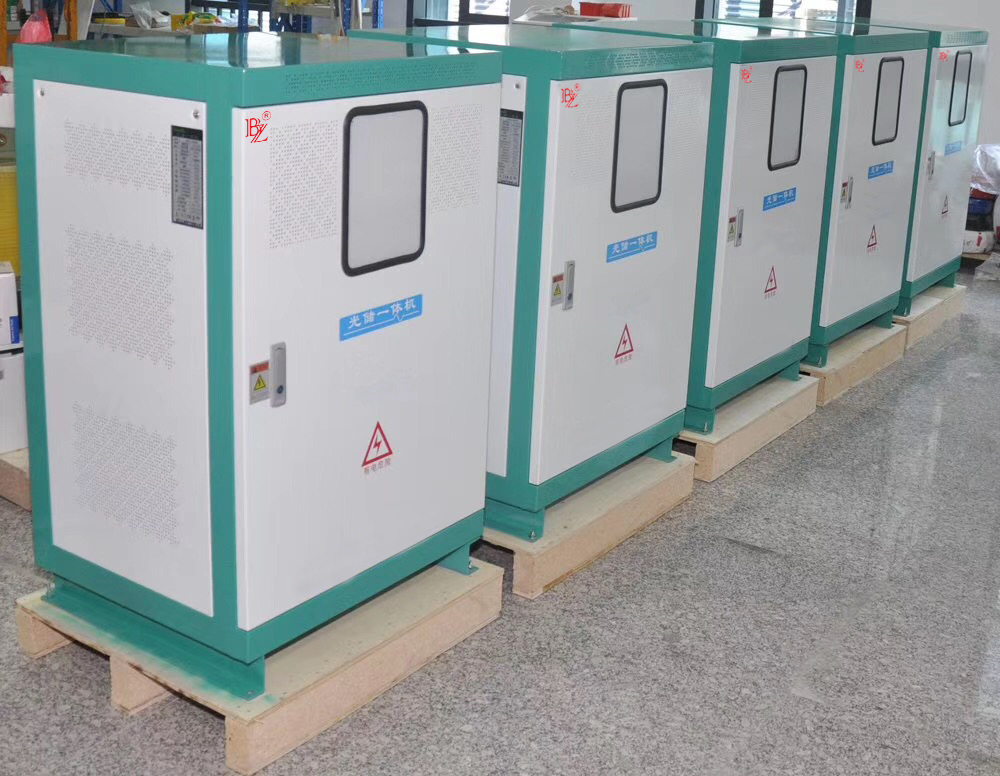


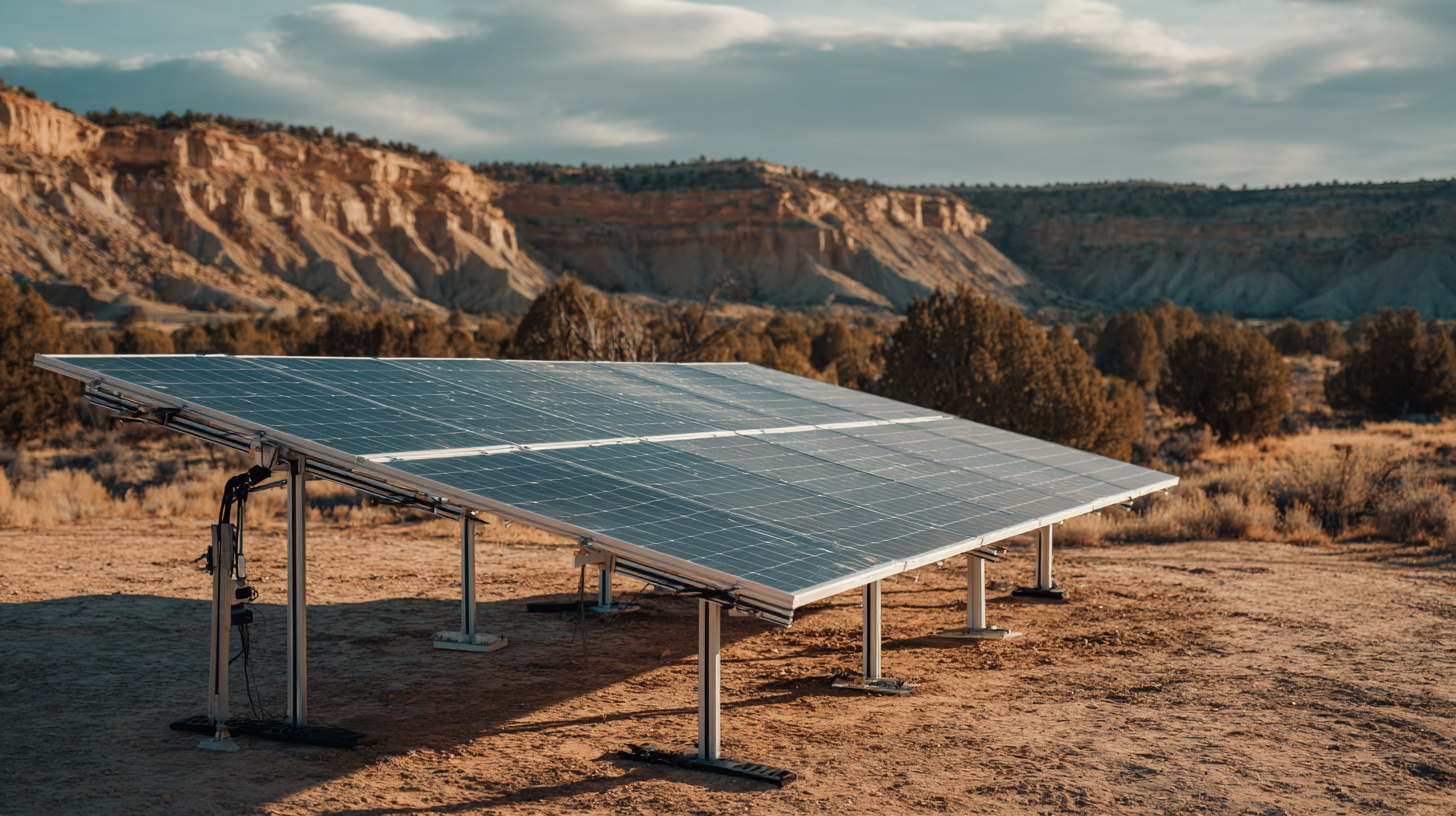 Microinverters and string inverters are pretty important when it comes to how well your solar energy system actually works. You see, microinverters are these small devices that take the direct current (DC) from each solar panel and turn it into usable alternating current (AC). Now, they’ve got some real advantages over the old-school string inverters. For one, microinverters can optimize each solar panel’s output on its own, which is a big deal because things like shading or slight differences between panels won’t drag down the whole system. That means you get more energy overall and your solar setup becomes way more reliable—kind of a game-changer for folks putting panels on their homes.
  To really get the most out of your solar power setup, one tip is to do a proper energy audit first — that way, you’ll know exactly what size system you need. Don't forget to keep up with regular maintenance, so everything keeps running smoothly and efficiently. Plus, it’s worth checking out any government incentives or tax breaks available because those can make your solar investment even sweeter. Once you get your head around these things, you can make smarter decisions and even feel good about helping build a more sustainable future — win-win, you know?