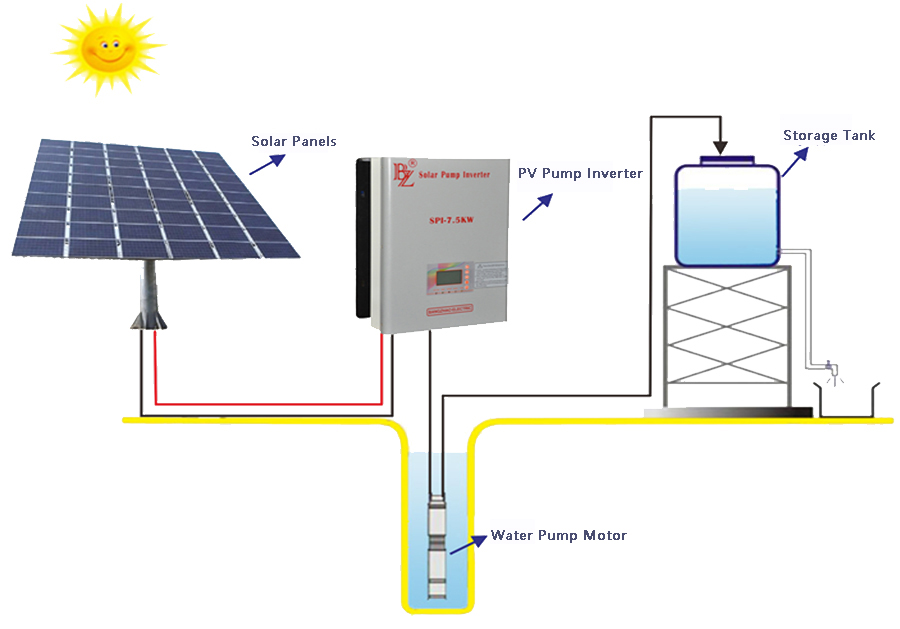
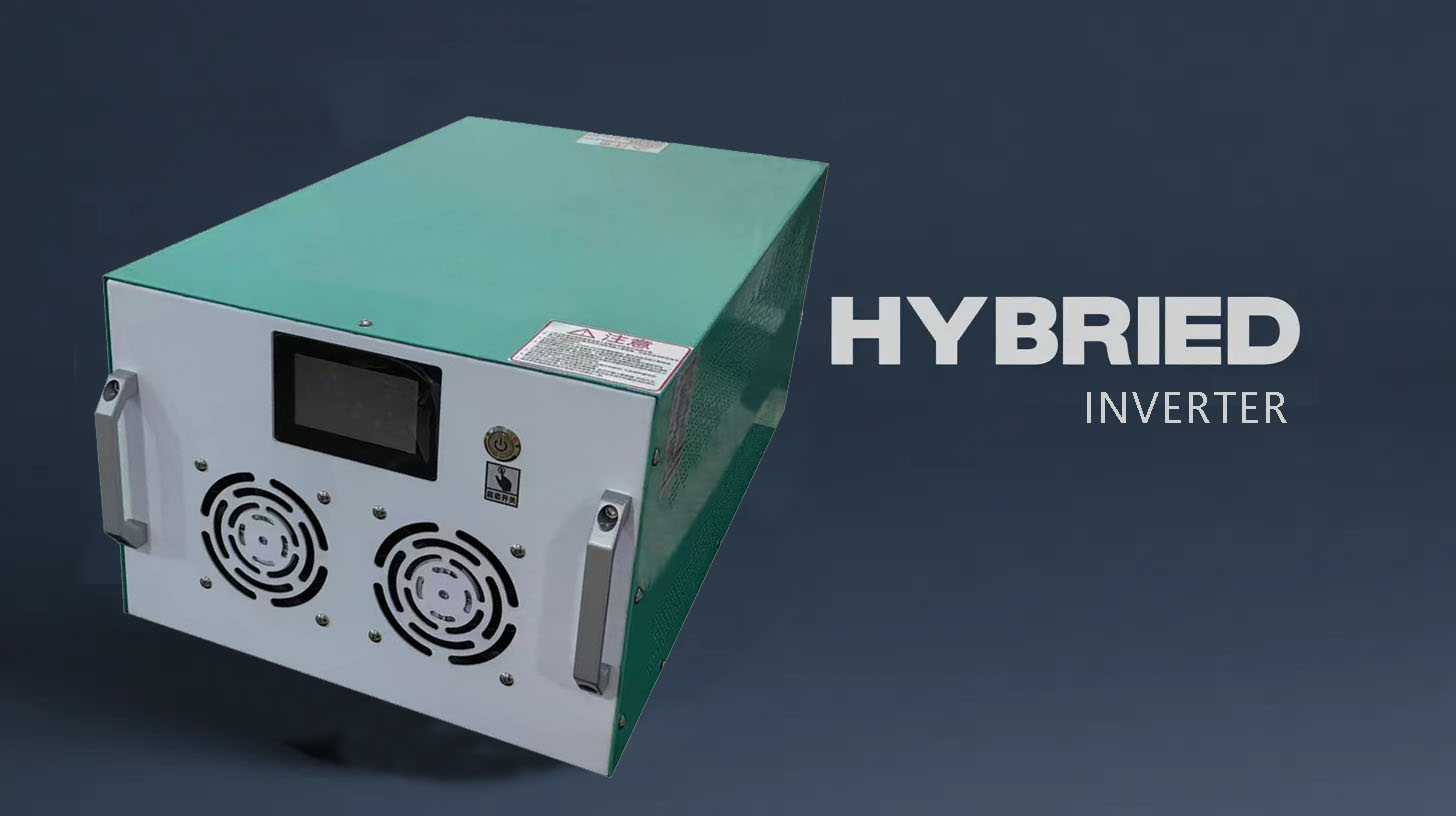
In the fast-changing world of energy efficiency, Low Frequency Inverters are really starting to stand out. As power management systems get more sophisticated to meet increasing demands, these inverters have become pretty essential for making energy use more efficient and boosting performance in a bunch of different applications. I mean, David Thompson, who’s quite a well-known expert in renewable energy tech, once said, “Low Frequency Inverters are critical for squeezing the most out of energy systems, especially when you need steady and reliable power.”
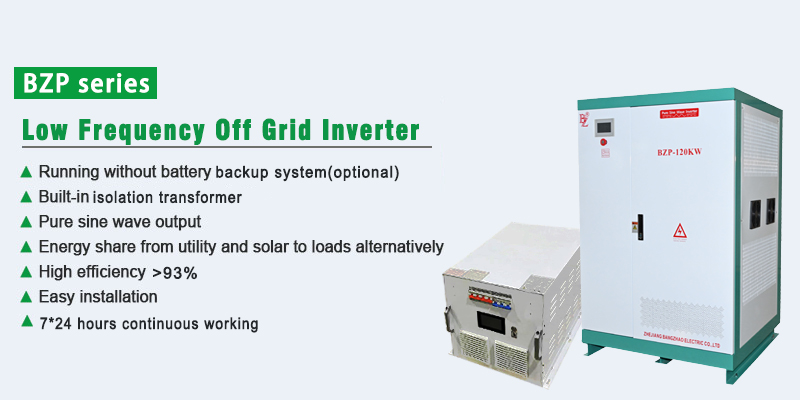
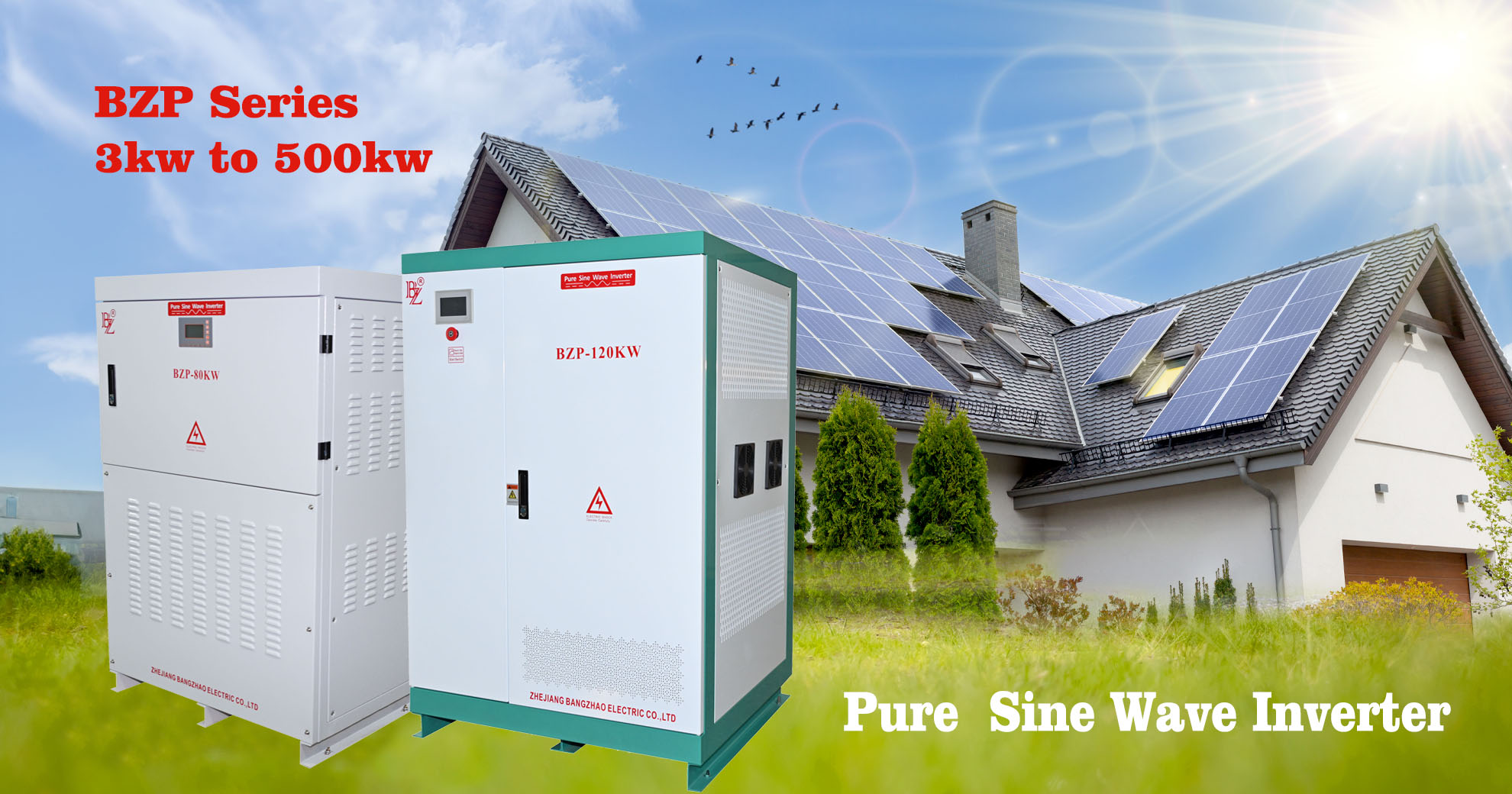
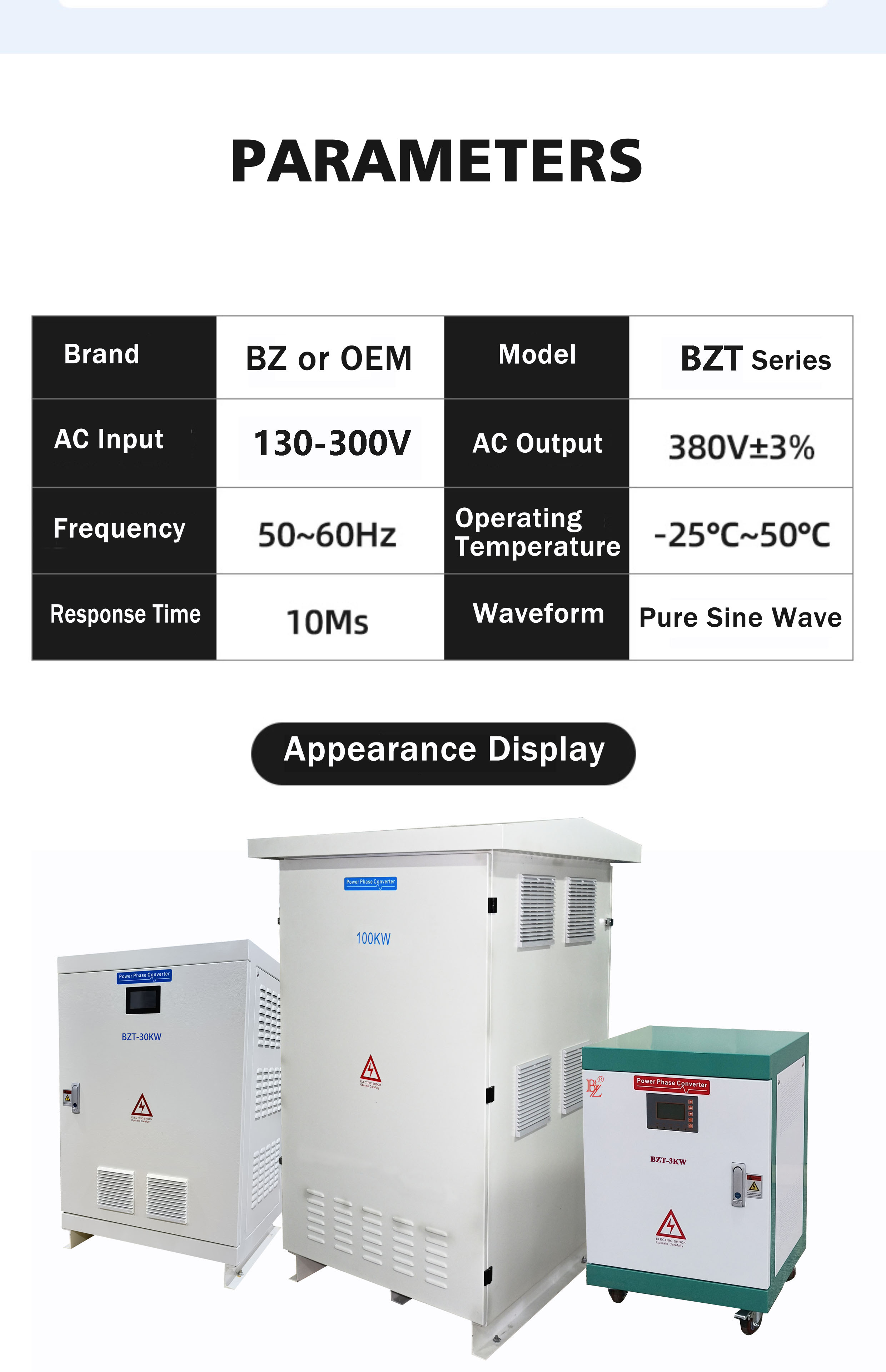
Here at Bangzhao Electric Co., Ltd., we’ve dedicated the past ten years to providing top-notch solutionsin energy storage and conversion. That includes lithium battery storage, bi-directional energy systems, and Pure Sine Wave Inverters. We’re constantly pushing innovation, which is reflected in our wide range of products designed to meet our customers’ ever-changing needs.
As we check out the top 10 Low Frequency Inverters for 2023, we’ll see how these devices do more than just improve energy management — they also support more sustainable practices across different industries. Basically, they’re becoming absolute must-haves in modern power setups.
Key Features of Low Frequency Inverters for Optimal Power Management
Low frequency inverters are essential for efficient power management, offering several features that enhance their performance significantly. One of the key characteristics is their ability to handle heavy loads with less distortion, which is crucial for applications like industrial machinery and HVAC systems. According to the "2023 Global Power Electronics Market Report," low frequency inverters can lead to a 30% increase in energy efficiency compared to traditional high-frequency models. This can have a profound impact on operational costs over time, settling your energy expenses while maintaining reliability.
Another vital feature is the ability to integrate with renewable energy sources, such as solar panels and wind turbines. Many low frequency inverters now come equipped with advanced MPPT (Maximum Power Point Tracking) technology, optimally adjusting to variations in sunlight or wind speed, ensuring a stable and efficient output. A report by the "International Renewable Energy Agency" highlights that these inverters can improve solar energy conversion efficiency by up to 15%, making them an attractive option for sustainable energy solutions.
Tips: When selecting a low frequency inverter, consider the inverter’s output capacity to match your energy needs effectively. Additionally, look for models with built-in protection features, such as overload and thermal protection, to enhance safety and longevity. It’s also beneficial to choose inverters with user-friendly monitoring systems for real-time data on performance and diagnostics.
Comparative Analysis of Efficiency Ratings in 2023 Low Frequency Inverters
In 2023, the efficiency ratings of low frequency inverters have become a significant focus for those looking to optimize their power management systems. A comparative analysis of top models reveals that energy efficiency varies widely, with some inverters achieving ratings as high as 98%. This can drastically reduce electricity costs and improve overall system performance. Understanding the unique features of each inverter, such as their conversion efficiency and load adaptability, is crucial for making an informed decision.
When selecting a low frequency inverter, consider the application it will serve. For instance, in agricultural settings where power fluctuation is common, an inverter with superior surge capacity is essential. Additionally, look for models equipped with smart technology that allows for real-time monitoring and adjustments.
Tips: Always check the manufacturer's specifications for both efficiency ratings and warranty. A good efficiency rating often translates to reduced operational costs over time. Furthermore, investing in an inverter with higher initial costs can yield long-term savings through decreased energy bills and enhanced reliability.
Cost-Benefit Analysis: Investing in Low Frequency Inverters for Energy Savings
Investing in low frequency inverters has become a strategic move for businesses looking to enhance energy savings while managing operational costs. According to a recent report by Grand View Research, the global inverter market is expected to reach USD 22.23 billion by 2025, with low frequency inverters playing a crucial role in this growth. These devices offer more efficient power management, particularly in industrial applications where energy efficiency is paramount. With efficiency rates of up to 95%, low frequency inverters minimize energy losses, significantly reducing electricity bills over time.
Moreover, the long-term cost benefits associated with low frequency inverters cannot be overlooked. A study published by the U.S. Department of Energy indicates that the implementation of advanced inverter technologies can lead to energy savings of approximately 20-30% in certain applications. By optimizing energy use and extending the lifespan of equipment, businesses can not only recoup their initial investment more rapidly but also contribute to a more sustainable energy future. As the industry shifts toward greener alternatives, the cost-effectiveness of low frequency inverters positions them as a smart choice for companies aiming to streamline their energy consumption and bolster their bottom line.
Top 10 Low Frequency Inverters Efficiency Analysis (2023)
This chart illustrates the efficiency ratings of the top 10 low frequency inverters. The data reflects performance metrics based on energy conversion and management capabilities.
Emerging Technologies and Their Impact on Low Frequency Inverter Performance
The rapid evolution of technology is significantly enhancing the performance of low frequency inverters, a vital component in efficient power management systems. Emerging technologies such as advanced semiconductors, smart grid integration, and artificial intelligence-driven controls are making these inverters more reliable and efficient. Manufacturers are now able to develop products that optimize energy conversion and minimize losses, enhancing operational efficiency for various applications, including renewable energy integration and energy storage.
At Bangzhao Electric Co., Ltd., we have been at the forefront of these advancements, specializing in cutting-edge energy solutions for over a decade. Our product portfolio includes sophisticated lithium battery storage systems and pure sine wave inverters that leverage the latest technological breakthroughs. By embracing emerging technologies, we ensure our inverters and energy storage solutions deliver superior performance and efficiency, meeting the growing demands for sustainable energy management in 2023 and beyond. We remain committed to providing innovative solutions that empower our customers and support their transition to cleaner energy sources.
Market Trends: Demand and Supply Dynamics for Low Frequency Inverters in 2023
The demand for low frequency inverters is being influenced by several market dynamics in 2023. With the global battery storage inverter market poised for significant growth—valued at $7.59 billion in 2024 and expected to reach $15.32 billion by 2032—the shift towards energy storage solutions is fostering a robust market for inverters. This surge is driven by increasing energy demands, geopolitical uncertainties, and a transition toward renewable energy sources. As various industries, including solar energy, continue to expand, the need for efficient power management systems becomes increasingly critical.
Simultaneously, pricing trends in the inverter market reflect a complex interplay of supply and demand. While inverter prices are experiencing a downward trend due to robust supply chains and competition, module prices are climbing in the wake of strong demand. This divergence highlights the ongoing challenges faced by manufacturers, particularly as non-Chinese firms advocate for protective measures against the rising influence of Chinese firms in the inverter sector. As the industry continues to evolve, understanding these market trends will be essential for stakeholders aiming to navigate the competitive landscape effectively.
Top 10 Low Frequency Inverters for Efficient Power Management in 2023
| Rank | Model | Power Rating (kW) | Efficiency (%) | Price ($) | Market Demand (Units) |
| 1 | LF-Inverter A | 10 | 95 | 1200 | 2500 |
| 2 | LF-Inverter B | 15 | 93 | 1400 | 2300 |
| 3 | LF-Inverter C | 20 | 91 | 1600 | 2100 |
| 4 | LF-Inverter D | 25 | 94 | 1800 | 1900 |
| 5 | LF-Inverter E | 30 | 92 | 2000 | 1700 |
| 6 | LF-Inverter F | 40 | 97 | 2500 | 1500 |
| 7 | LF-Inverter G | 50 | 90 | 2700 | 1300 |
| 8 | LF-Inverter H | 60 | 88 | 3000 | 1100 |
| 9 | LF-Inverter I | 70 | 87 | 3200 | 900 |
| 10 | LF-Inverter J | 80 | 85 | 3500 | 800 |
Regulatory Standards Influencing Low Frequency Inverter Design and Functionality
The design and functionality of low frequency inverters in 2023 are profoundly influenced by a landscape of regulatory standards aimed at improving energy efficiency and reducing environmental impact. According to a report from the International Energy Agency, compliance with the latest efficiency standards is essential for achieving optimal performance and reliability in power management systems. For instance, the revised Energy Star guidelines mandate that inverters must not exceed specific energy consumption thresholds, thereby encouraging manufacturers to innovate and enhance their product designs.
Tips: When selecting a low frequency inverter, consider models that meet or exceed regulatory efficiency standards to ensure you are investing in technology that is both sustainable and cost-effective.
Moreover, the integration of features such as grid compliance and adaptive control mechanisms is increasingly becoming a regulatory requirement. These features enable low frequency inverters to interact more effectively with the grid, ensuring stable operation even in fluctuating demand scenarios. According to a study by the U.S. Department of Energy, inverters compliant with updated grid interconnection standards can improve energy reliability and minimize downtime, showcasing the essential role of regulations in guiding inverter technology evolution.
Tips: Always check for the latest compliance certifications when purchasing an inverter; this can help guarantee that you are choosing a reliable product capable of meeting future energy demands.
Conclusion
In 2023, the landscape of low frequency inverters is evolving, driven by advancements in technology and increasing demand for efficient power management solutions. Key features such as enhanced efficiency ratings and cost-benefit analyses highlight the significance of investing in low frequency inverters for energy savings. Companies like Bangzhao Electric Co., Ltd. continue to provide innovative solutions, including bi-directional energy storage and pure sine wave inverters, which cater to the growing market trends.
Emerging technologies are set to further enhance the performance of low frequency inverters, influenced by regulatory standards that shape their design and functionality. As we analyze the demand and supply dynamics, it becomes clear that low frequency inverters are essential for optimizing energy management strategies, ensuring both economic and environmental benefits for consumers and industries alike.