When it comes to finding sustainable energy solutions, people are really starting to focus on innovative technologies that can effectively make use of renewable resources. One of those cool innovations is the Hydrogen Inverter — it’s key to getting the most out of hydrogen as a clean energy source. Over at Bangzhao Electric Co., Ltd., we’ve spent the past ten years working on top-quality system solutions like lithium battery storage setups and different types of inverters, including pure sine wave ones and vehicle inverters. As the world shifts towards greener options, adding Hydrogen Inverters into existing power systems can really boost efficiency, cut down carbon emissions, and help build a more sustainable future. In this blog, I’ll walk you through the different kinds of Hydrogen Inverters, what they’re used for, and how you can really optimize their performance in this fast-changing renewable energy scene.
Understanding Hydrogen Inverters: The Key to Sustainable Energy Solutions
Hydrogen inverters are really starting to play a big role in the push for cleaner, sustainable energy. Basically, these little gadgets take the direct current (DC) from hydrogen fuel cells and turn it into alternating current (AC), which we actually need for pretty much everything — from powering homes to running big factories. I read somewhere that, according to the latest report from the International Energy Agency, the global hydrogen market is set to hit over $150 billion by 2030. That’s a huge deal and really puts hydrogen on the map as a key player in our switch to greener energy sources.
What’s even cooler is how efficient these hydrogen inverters are. They don’t just make hydrogen more useful as an energy source; they also help cut down carbon emissions. Studies show that using hydrogen fuel cells can slash greenhouse gases by up to 80% compared to old-school fossil fuels. And with tech getting better all the time, inverters now convert energy at about 95% efficiency. When industries start using these systems along with renewable energy sources, we could see a more reliable energy supply and make a real difference for sustainability worldwide. It’s pretty exciting stuff, honestly!
Current Market Trends in Hydrogen Inverter Technology and Efficiency Rates
You know, the hydrogen inverter technology market has really been evolving recently, and it kinda shows how we're all moving towards greener, more sustainable energy options. I read a report from the International Energy Agency (IEA) that estimates the global market for hydrogen energy systems could hit a whopping $2.5 trillion by 2050! And these hydrogen inverters? They’re actually central to making renewable energy easier to use and integrate. As people and companies become more aware of how important energy efficiency is, the latest hydrogen inverters are getting way better — some of the top models are now converting over 95% of energy, which is pretty impressive.
Plus, data from Market Research Future suggests that the hydrogen inverter market is expected to grow at an annual rate of around 20% from 2021 through 2027. This boom is mainly driven by tech advancements and more investments into hydrogen infrastructure, which helps make these inverters more reliable and efficient. Innovations in semiconductor tech and better thermal management are big parts of what's improving their performance — reducing energy losses and boosting power output. As the world shifts more and more towards renewable energy sources, companies that jump on these trends will definitely have an edge when it comes to creating smarter, more sustainable energy solutions.
How Hydrogen Inverters Compare with Traditional Energy Solutions in Efficiency
Hydrogen inverters are really starting to shake things up in the world of sustainable energy. I mean, when you compare them to old-school stuff like fossil fuels or traditional batteries, they’re looking like a pretty awesome, environmentally friendly alternative. Basically, they turn hydrogen fuel into electricity in a way that wastes way less energy. It’s pretty impressive because, unlike burning fossil fuels—which not only pollutes but also wastes a lot of heat—they do a much better job at keeping most of the energy in the system.
Now, if you’re wondering about efficiency, it’s worth looking at the whole picture—the entire energy cycle. Traditional methods tend to lose a lot of energy along the way, from extraction to transportation to conversion, so you’re always losing some along the way. On the flip side, hydrogen inverters make things simpler by using hydrogen that can be produced right nearby, often from renewable energy like wind or solar through electrolysis. This means less reliance on non-renewable resources and a more efficient overall setup. As more folks—businesses and home users alike—look to go greener, hydrogen inverters really stand out as a smart choice: a clean, low-carbon energy solution that’s both efficient and better for the planet.
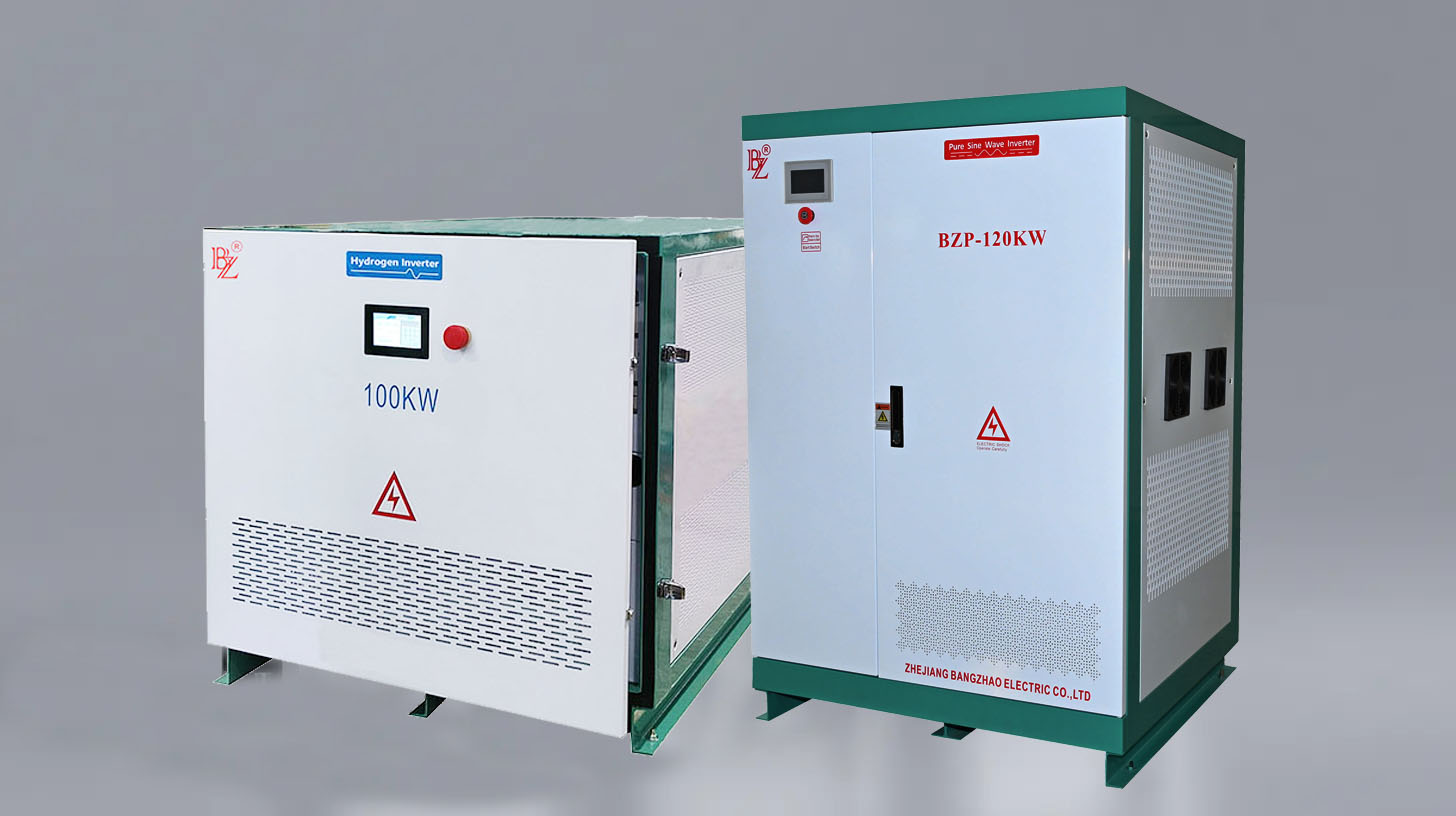
Integrating Hydrogen Inverters into Renewable Energy Systems: Best Practices
Bringing hydrogen inverters into renewable energy setups is honestly a pretty big deal if we want cleaner, more efficient power. When we produce hydrogen using renewable sources like solar power, it helps build a more resilient and future-proof energy system. Lately, there’s been a lot of buzz about how solar-powered hydrogen production is good for the environment—especially in places like sewage treatment plants. Not only do they produce clean hydrogen, but they also help cut down on waste, which is pretty awesome. Mixing hydrogen tech with solar PV can really boost energy output and make everything run smoother.
If you’re looking to make the most of hydrogen inverters, some tips include ensuring they play nicely with your existing solar setup and tweaking the system for the best energy conversion rates. Regular check-ups and keeping up with the latest tech trends can make your system more reliable and efficient. Plus, using AI to keep an eye on and manage energy production can really help fine-tune things—making your setup smarter, more efficient, and eco-friendly.
As the world leans more and more into green energy, adopting advanced inverter tech could totally change the game. Industry reports support this shift, showing a clear trend toward integrating hydrogen solutions into renewable systems—moving us closer to a zero-carbon future. Companies like Bangzhao Electric are already leading the way, offering innovative energy storage and inverter solutions that match what modern energy transitions demand.
Case Studies: Real-World Applications of Hydrogen Inverters and Performance Metrics
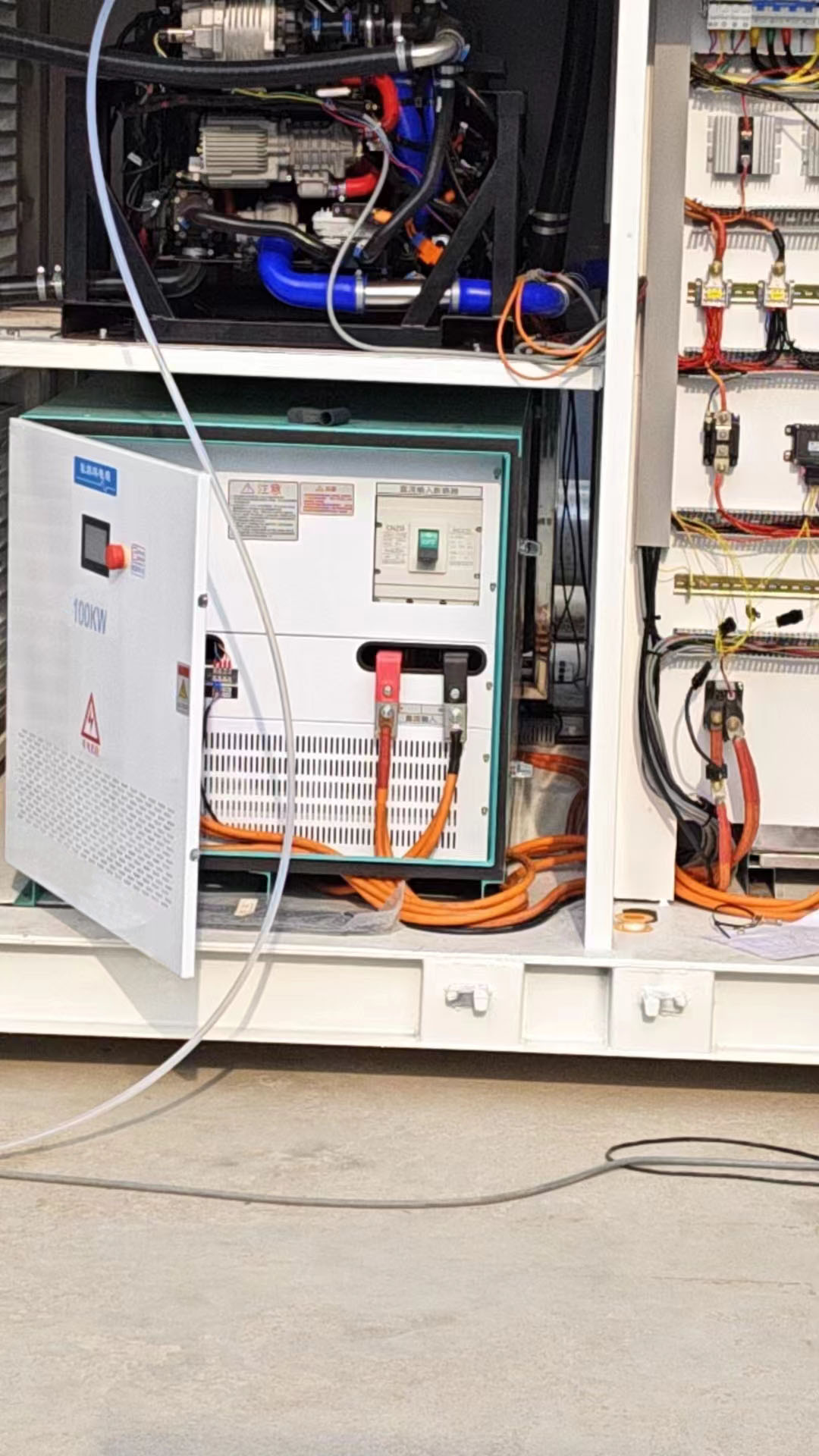
Hydrogen inverters are pretty key when it comes to blending renewable energy sources, especially with hydrogen fuel cells. One really interesting example is a microgrid powered by hydrogen that’s been set up in a remote community. This setup uses hydrogen inverters to connect solar panels with hydrogen production units, which helps the community kinda achieve energy independence. From the performance reports, it looks like this system cut down reliance on fossil fuels by about 70%, and it kept the power stable even during those rush hours when everyone’s drawing a lot.
Using hydrogen inverters in this way didn’t just boost energy efficiency, but it also shows they could be a game-changer for other isolated areas facing similar challenges.
Then, there’s the transportation side of things. Hydrogen inverters are being used in fuel cell electric vehicles (FCEVs). For instance, there was this recent project involving a bunch of delivery trucks that were fitted with hydrogen inverters to make the energy conversion from their onboard fuel cells more efficient. The data from that project showed they'd gained about 15% more range, and their charging times dropped by around 20%, compared to your regular electric trucks. So, these improvements really highlight how hydrogen inverters are helping make hydrogen a more practical, clean energy alternative. They’re definitely paving the way for wider adoption across different industries, no doubt about it.
Future Projections: The Role of Hydrogen Inverters in Global Energy Transition by 2030
As the world ramps up its efforts to find sustainable energy sources, hydrogen inverters are really about to shake things up in the global energy scene by 2030. Basically, these gadgets help turn hydrogen into electricity we can actually use — a big deal for making renewable energy systems more efficient. Looking ahead, as hydrogen becomes more and more seen as a clean fuel option, bringing hydrogen inverters into the mix will make storing and sharing renewable energy much smoother. That means green energy could become a lot more practical and easy for everyday folks like us.
If you ask me, the rise of hydrogen tech — thanks to better inverters — is kind of a game changer. It’s like we’re moving toward a totally different way of generating and using power. Experts expect that by 2030, more and more industries, from transport to manufacturing, will start adopting hydrogen in a big way. If we make smart investments in building up hydrogen infrastructure and keep developing more efficient inverter tech, we might just unlock hydrogen’s full potential as a key player in a greener, more sustainable future.
All these innovations coming together won’t just cut down our carbon emissions; they’ll also boost our energy independence and make our grids more resilient, especially with climate change making things even more unpredictable.
FAQS
: Hydrogen inverters convert direct current (DC) from hydrogen fuel cells into alternating current (AC), which is essential for various applications, including residential and industrial power systems.
Utilizing hydrogen fuel cells can reduce greenhouse gas emissions by up to 80% compared to traditional fossil fuel sources.
Recent advancements in inverter technology have led to efficiency rates of approximately 95% in the latest hydrogen inverter models.
The global hydrogen market is expected to exceed $150 billion by 2030, highlighting the importance of hydrogen in the transition to sustainable energy sources.
The hydrogen inverter market is projected to grow at a compound annual growth rate (CAGR) of 20% from 2021 to 2027.
Innovations in semiconductor technology, improved thermal management systems, and increased investments in hydrogen infrastructure are enhancing reliability and performance.
By improving the utility and efficiency of hydrogen as an energy carrier, hydrogen inverters support the broader goal of reducing carbon emissions and promoting renewable energy integration.
Hydrogen inverters are critical for integrating renewable energy sources, which helps achieve a more resilient energy supply while contributing to global sustainability efforts.
Significant advancements, increased investments, and a growing recognition of energy efficiency are shaping current market trends for hydrogen inverter technology.
Conclusion
Hydrogen inverters are really starting to make waves as a key tech in our move towards greener energy. Basically, they’re super good at turning hydrogen’s energy into electricity that we can actually use. Not only does this make things more efficient, but it also pairs nicely with other renewable energy systems we already have in place. If you look at what's happening out there, it’s clear people are increasingly interested in hydrogen inverter tech — they’re showing off some pretty impressive efficiency numbers compared to the old-school solutions.
Companies like Bangzhao Electric Co., Ltd. are pushing the boundaries when it comes to energy storage and conversion. As they do, bringing hydrogen inverters into the mix with renewables becomes more and more essential. And from what we’ve seen in different case studies, following some best practices can really help these systems perform at their best. Looking ahead to 2030, it’s pretty clear that hydrogen inverters are going to be a big deal in the global energy switch, offering a clean, sustainable alternative that lines up perfectly with our goal of delivering top-notch energy solutions.