



Leave Your Message
-
Phone
-
E-mail
-
Whatsapp
-
Whatsapp

Purpose-built mobile energy storage and inverter solutions for off-grid operations — delivering clean, stable AC power wherever the grid cannot reach.
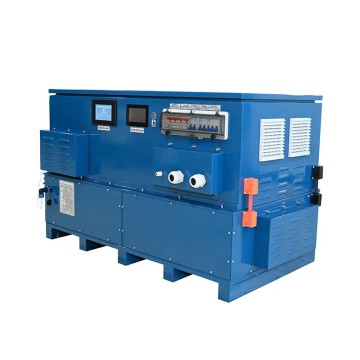
A deep-dive into the technology, market forces, and industrial realities driving the global adoption of mobile inverter systems.
On-board inverters for off-grid applications are power conversion devices permanently or semi-permanently installed within a vehicle, vessel, trailer, or mobile platform. Their primary function is to convert DC power — sourced from batteries, solar panels, wind turbines, or vehicle alternators — into stable AC electricity capable of running industrial equipment, communications systems, medical devices, and everyday appliances in locations completely disconnected from the utility grid.
Unlike portable inverters that are simply plugged into a cigarette lighter socket, on-board inverters are engineered for continuous-duty, high-power operation. They are integrated into the electrical architecture of the host platform, featuring hardwired connections, dedicated battery banks, thermal management systems, and in many cases, bidirectional charging capability that allows the battery to be replenished from solar, wind, shore power, or the host vehicle's alternator.
Key Insight: The global off-grid and mobile power market is projected to surpass USD 8.5 billion by 2030, with on-board inverter systems representing one of the fastest-growing segments — driven by electrification of remote industries, emergency response modernization, and the rise of mobile workforces worldwide.
The commercial adoption of on-board off-grid inverters has accelerated dramatically over the past five years. Several macro-trends are converging to create unprecedented demand across sectors:
Energy Transition Pressure: Governments and corporations worldwide are committed to reducing diesel generator dependency. On-board inverter systems — especially when paired with lithium battery banks and solar charging — offer a compelling zero-emission alternative for mobile power needs. In the construction, mining, and oil & gas sectors, this transition is no longer optional; it is being mandated by environmental regulations in the EU, North America, and increasingly in Southeast Asia.
Remote Infrastructure Development: Emerging economies are investing heavily in infrastructure in areas that lack reliable grid access. Road construction crews, telecommunications tower installation teams, and rural healthcare outreach programs all depend on mobile power platforms. On-board inverters are the backbone of these operations, providing the AC power necessary to run everything from welding equipment to medical refrigerators.
Military & Defense Modernization: Defense forces globally are transitioning toward "silent watch" capability — the ability to operate command vehicles, surveillance systems, and communications equipment without running a noisy, heat-generating diesel engine. High-power on-board inverter systems with large lithium battery banks are central to this capability, and the technology developed for defense applications is rapidly filtering into commercial and industrial markets.
Disaster Response & Emergency Services: The increasing frequency and severity of natural disasters has created strong demand for mobile power platforms that can be rapidly deployed to disaster zones. Fire departments, emergency medical services, and government emergency management agencies are equipping response vehicles with on-board inverter systems capable of powering field hospitals, communication hubs, and rescue equipment for extended periods without grid access.
The technology itself is evolving at a rapid pace. The following trends are reshaping what on-board inverters can do and how they are deployed:
Bidirectional Power Flow (V2X Technology): Modern on-board inverter systems are no longer one-directional. Vehicle-to-grid (V2G), vehicle-to-home (V2H), and vehicle-to-load (V2L) technologies allow the vehicle's battery to serve as a mobile power plant, feeding electricity back into buildings or the grid. This transforms every equipped vehicle from a power consumer into a distributed energy resource — a paradigm shift with profound implications for grid resilience and energy economics.
High-Frequency vs. Industrial-Frequency Architecture: While high-frequency inverter designs offer compact size and light weight, industrial-frequency (low-frequency) transformer-based inverters remain the preferred choice for heavy industrial on-board applications due to their superior surge capacity, isolation, and reliability under harsh conditions. Manufacturers like Bangzhao Electric continue to lead in this segment, offering both architectures optimized for specific application requirements.
Integration with Lithium Iron Phosphate (LiFePO4) Chemistry: The shift from lead-acid to LiFePO4 battery chemistry has been transformative. LiFePO4 batteries offer 3–5x the cycle life, 50% weight reduction, flat discharge curves, and inherent thermal stability. On-board inverter systems designed specifically for LiFePO4 chemistry — with compatible BMS communication protocols and charging algorithms — are now the industry standard for serious off-grid mobile applications.
Smart BMS & IoT Connectivity: Next-generation on-board inverter systems feature integrated Battery Management Systems (BMS) with remote monitoring via 4G/5G or satellite communication. Fleet operators can monitor battery state-of-charge, inverter efficiency, load profiles, and fault conditions in real time from anywhere in the world. This data-driven approach dramatically reduces downtime and enables predictive maintenance.
Hybrid Solar-Battery-Generator Architecture: The most sophisticated off-grid mobile power platforms combine on-board inverters with rooftop or deployable solar panels, a lithium battery bank, and a small backup generator. The inverter's intelligent energy management system automatically optimizes the power flow between these sources, minimizing generator runtime and fuel consumption while ensuring uninterrupted power supply.
A trusted global partner in off-grid and mobile power solutions since 2008.
The convergence of technology, regulation, and economic drivers is reshaping the off-grid mobile power industry.
Lithium iron phosphate chemistry is replacing lead-acid across all mobile applications, enabling lighter, longer-lasting, and safer on-board energy storage systems with 3000+ cycle life.
On-board inverters are increasingly paired with flexible or rigid solar panels to create self-sustaining mobile power platforms that can operate indefinitely without grid or generator input.
Cloud-connected inverter systems with real-time telemetry, predictive fault detection, and remote configuration are becoming standard requirements for fleet and industrial operators.
Tightening emissions regulations in mining, construction, and logistics are accelerating the replacement of diesel generators with clean on-board inverter + battery systems.
Vehicle-to-everything technology transforms mobile platforms into distributed energy resources, enabling power export to buildings, grids, and other equipment during emergencies.
Defense-spec vibration resistance, wide operating temperature ranges, and EMI shielding are now demanded by commercial industrial operators in harsh environment applications.
From island microgrids to oil fields, from marine vessels to emergency command centers — see how on-board inverters power the world beyond the grid.
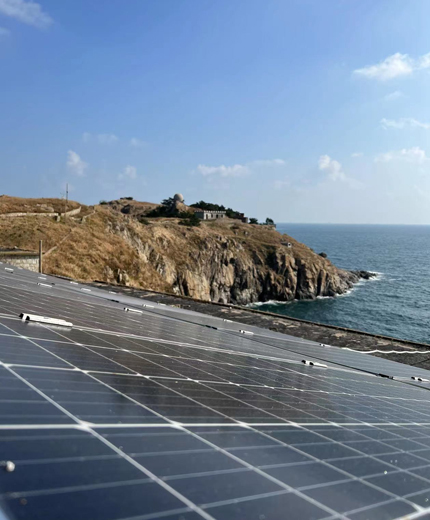
Solar panels convert sunlight into electricity, stored in battery banks and managed by on-board inverters to provide stable, clean AC power for island communities. Our industrial-frequency off-grid inverters and photovoltaic controllers are engineered for the corrosive, high-humidity environment of remote islands, ensuring energy self-sufficiency and eliminating dependence on costly diesel fuel shipments.
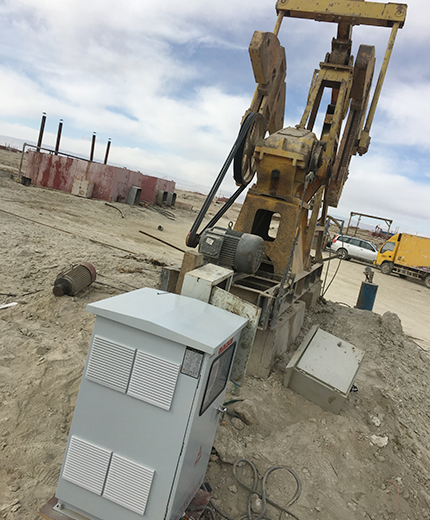
Utilizing advanced photovoltaic energy generation technology integrated with oil pumping units, this system achieves green and efficient oil extraction in remote fields. The on-board PV oil pump inverter converts solar energy into stable AC power for pump motors, eliminating fossil fuel dependency. Features include high efficiency, modular design, industrial-frequency isolation, strong load capacity, and easy field maintenance — ideal for harsh, remote environments.
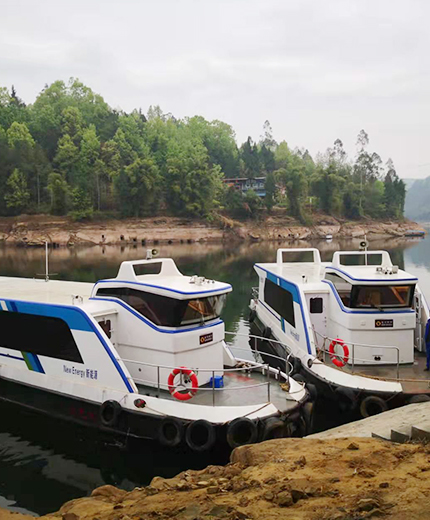
Providing reliable AC power for all electrical equipment aboard vessels, our marine on-board inverter systems are engineered to withstand the complex marine environment. Features include frequency and voltage stabilization, low-frequency isolation architecture, strong anti-interference capability, and full compliance with China Classification Society (CCS) approval. Suitable for navigation, communication, living facilities, and safety systems at sea.
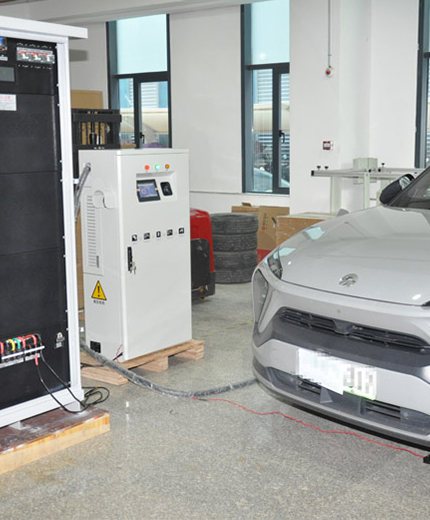
Integrating on-board inverter, charging, and energy storage technologies, this system delivers green charging solutions for electric vehicles in locations without grid access. The system harvests clean energy from solar and wind sources, stores it in battery banks, and uses the on-board inverter to provide stable power to charging facilities. Key advantages include optimized energy allocation, grid load balancing, improved charging efficiency, and reduced fossil fuel dependence — supporting low-carbon transport transformation.
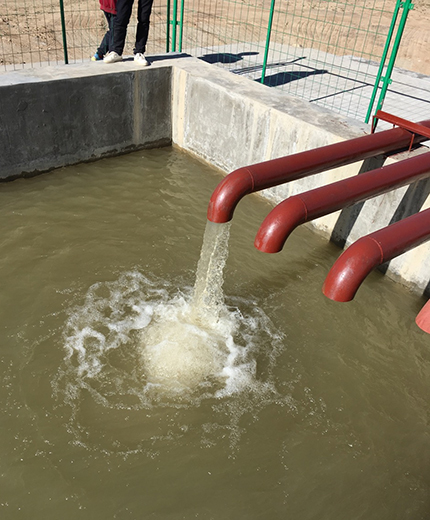
A pure photovoltaic direct-drive three-phase AC water pump system, optionally combined with utility power for hybrid operation. Solar panels convert sunlight into electricity supplied in real time to the water pump, achieving efficient irrigation and water supply with zero carbon emissions and minimal maintenance costs. Especially suited for remote agricultural areas without reliable grid access, supporting food security and rural development goals worldwide.
Mobile command centers, disaster response vehicles, and field hospital platforms require uninterrupted, high-quality AC power independent of any grid infrastructure. On-board inverter systems with integrated lithium battery banks provide silent, emission-free power for communications equipment, medical devices, lighting, and climate control — enabling rapid deployment and sustained operations in the most challenging emergency scenarios.
Bangzhao Electric Co., Ltd (Sandi Electric) was established in 2008 and specializes in developing and supplying advanced power products. The high performance of our products stems from cutting-edge technology developed by a team drawn from China's top 100 power engineers.
Over more than 16 years, we have been providing best-in-class system solutions including: Lithium battery storage systems, PCS bi-directional energy storage power supplies, Pure sine wave inverters, Marine inverters, Vehicle (On-Board) inverters, Solar pump inverters, Explosion-proof inverters, PV Inverter-Controller integrated systems, PV combiner boxes, Solar charge controllers, AC-DC chargers, and Static phase converters — to customers across solar energy, wind power, hydropower, automotive, marine, rail, hospital, aviation, and industrial automation sectors.
We believe that through continuous innovation and pursuit of excellence, we will become one of the most influential enterprises among domestic high-power inverter manufacturers. Technological innovation and superior service are the fundamental pillars of our business development, with annual R&D investment exceeding 20% of annual sales.
"Integrity, Rigorous, Pragmatic" — the continuous pursuit of Bangzhao Electric. Facing today and the future, we will provide ever more professional and perfect services to all who support and trust Bangzhao Electric (Sandi Electric).

The values and principles that drive our innovation and define our relationships with customers, partners, and the world.


A team with strong execution ability is a combative team. Action and execution determine the success or failure of an enterprise.

We believe that through our continuous efforts and pursuit, we can become one of the most influential enterprises among domestic high-power inverter manufacturers.

Purchase directly from the manufacturer — eliminating middlemen, ensuring competitive pricing, and guaranteeing product authenticity and full warranty coverage.

Our experienced engineering team provides full OEM/ODM customization services — tailoring voltage, power rating, form factor, and communication protocols to your exact specifications.

Dedicated technical support teams provide remote diagnostics, firmware updates, spare parts supply, and on-site service to minimize downtime and maximize system uptime globally.

Multiple international certifications including CCS, ISO, and product-specific patents demonstrate our commitment to quality, safety, and regulatory compliance across global markets.
Recognized globally for excellence in power electronics engineering, product safety, and manufacturing quality.
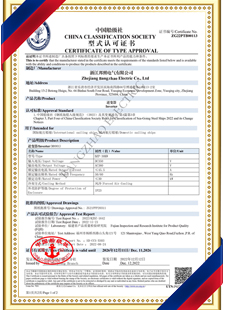
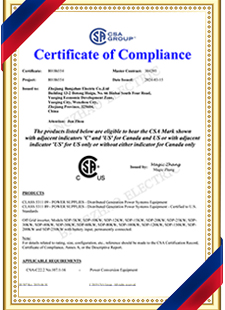
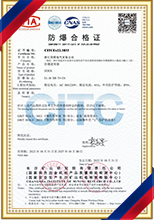
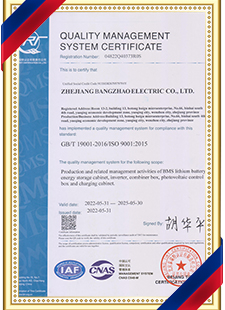
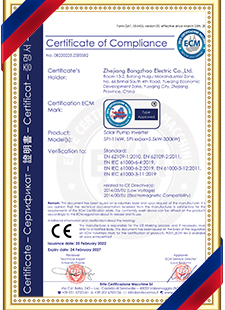
With an experienced and top-notch professional R&D team, Bangzhao Electric has obtained multiple certificates and patents for power supply products and is a cooperative supplier for many well-known global companies.
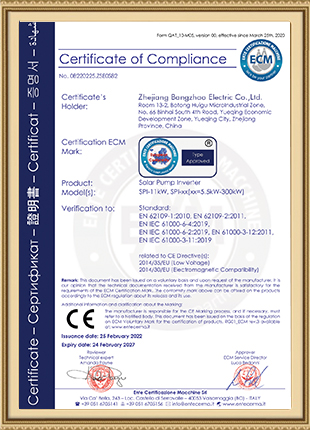
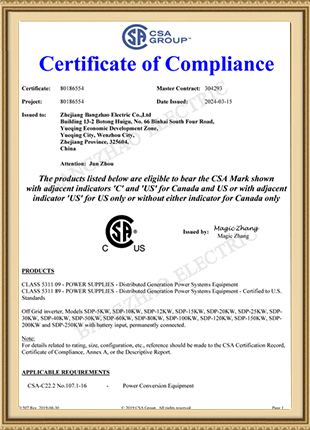
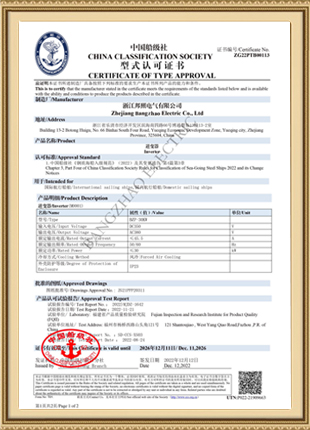
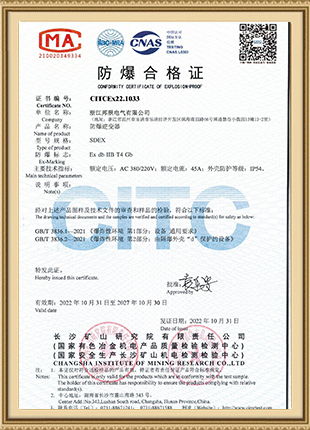
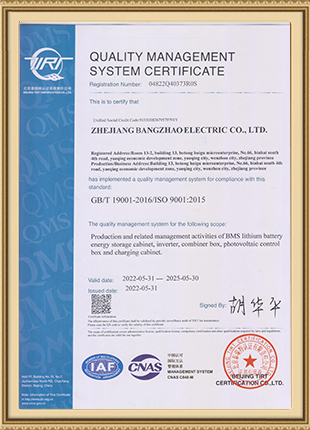
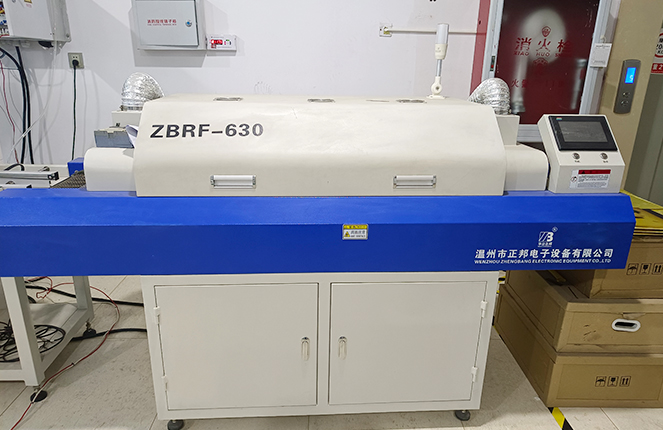
A glimpse inside our state-of-the-art manufacturing facilities — where precision engineering meets rigorous quality control.
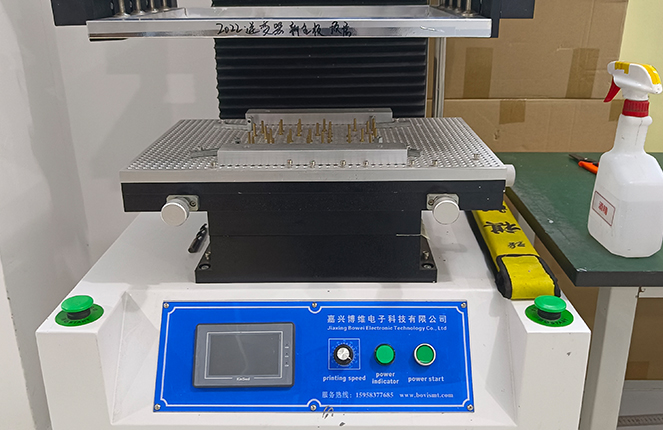
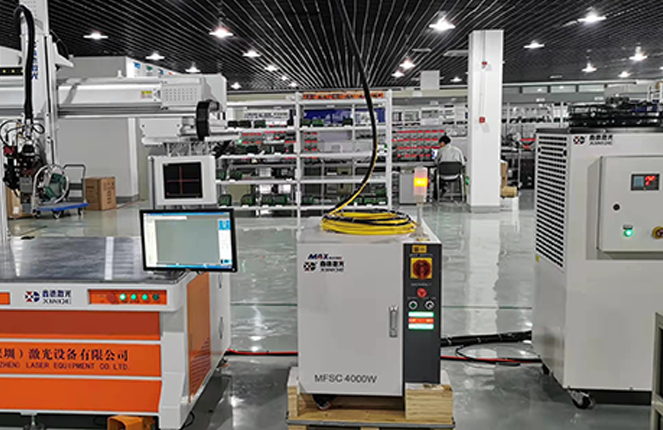
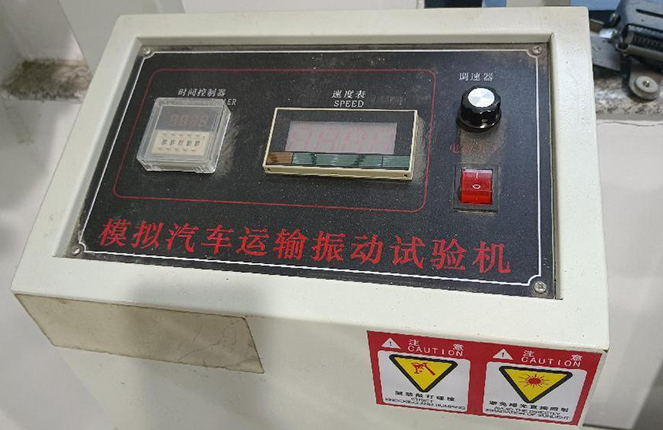
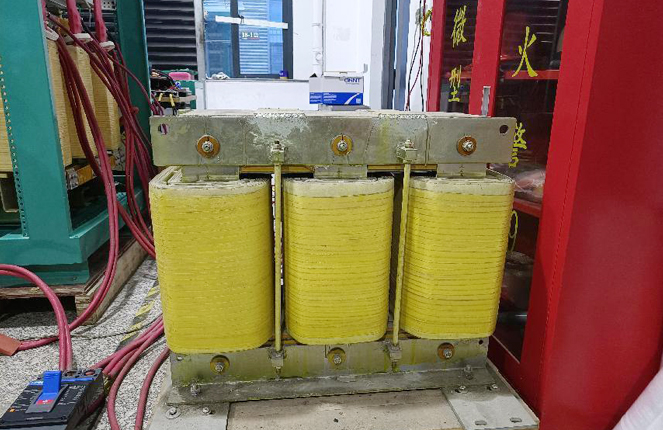
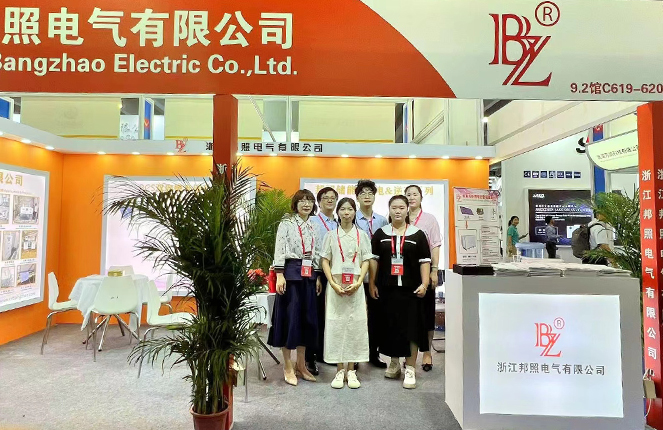
"Integrity, Rigorous, Pragmatic" — the continuous pursuit of Bangzhao Electric. Facing today and the future, we will provide more professional and perfect services to all who support and trust Bangzhao Electric (Sandi Electric).

Company Profile
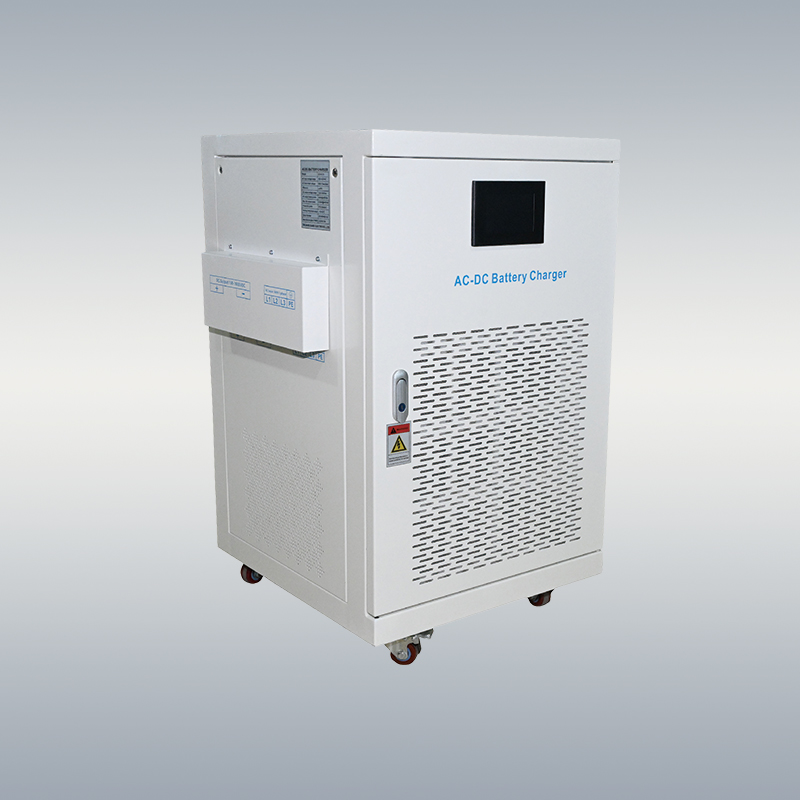
3 Phase AC-DC Battery Charger
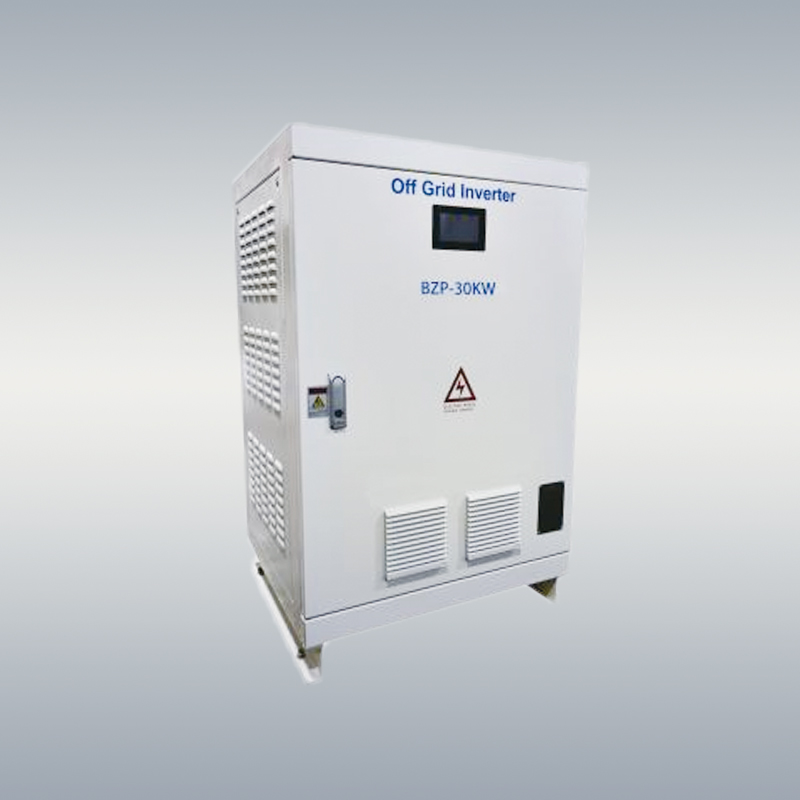
Pure Sine Wave Inverter
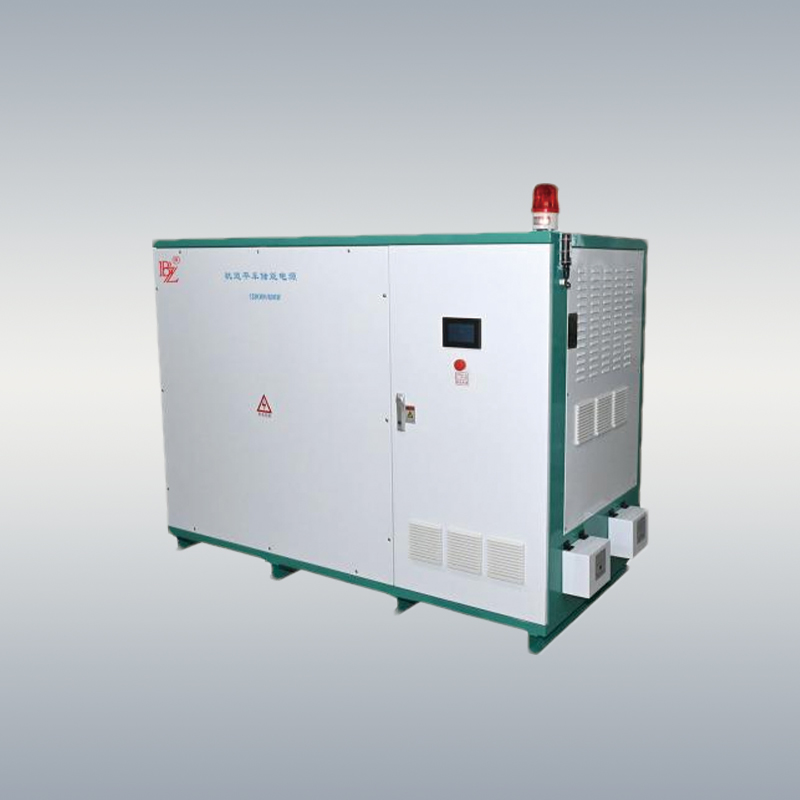
Diesel-Lithium Hybrid Storage System
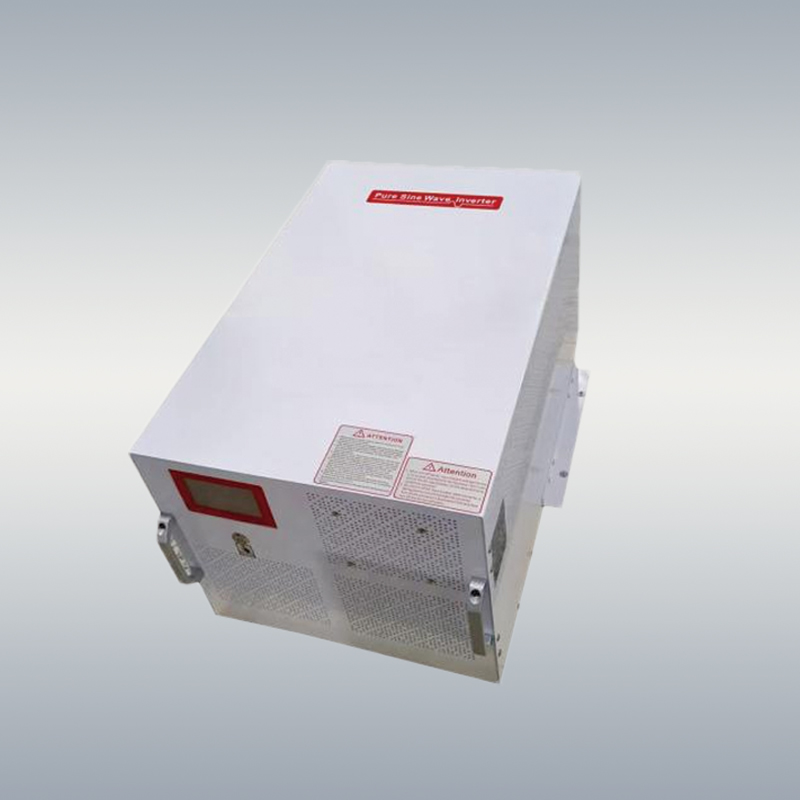
48VDC-220VAC Inverter
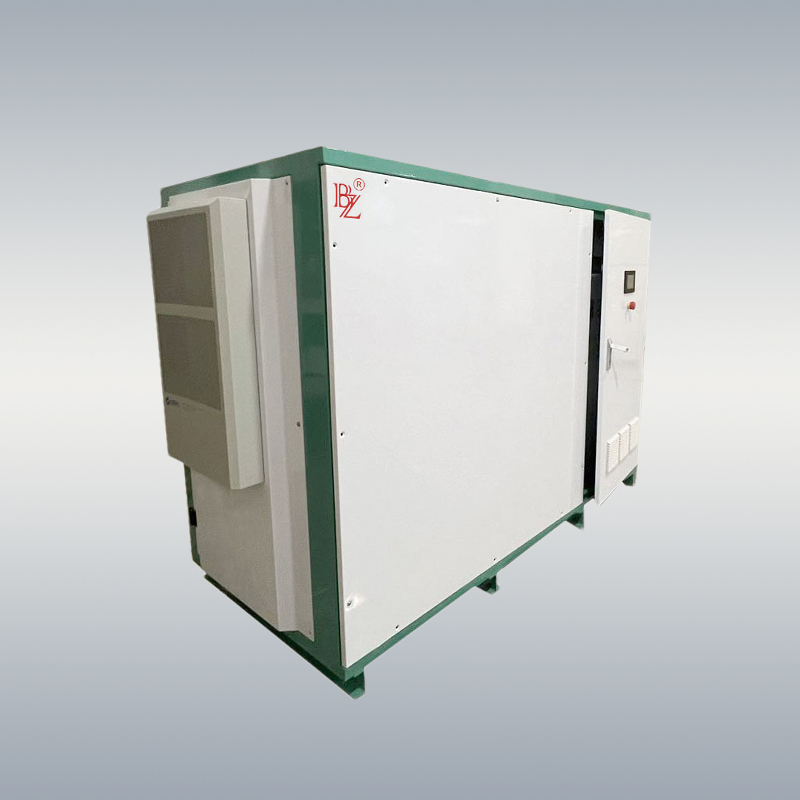
Wind-Solar Hybrid Storage System
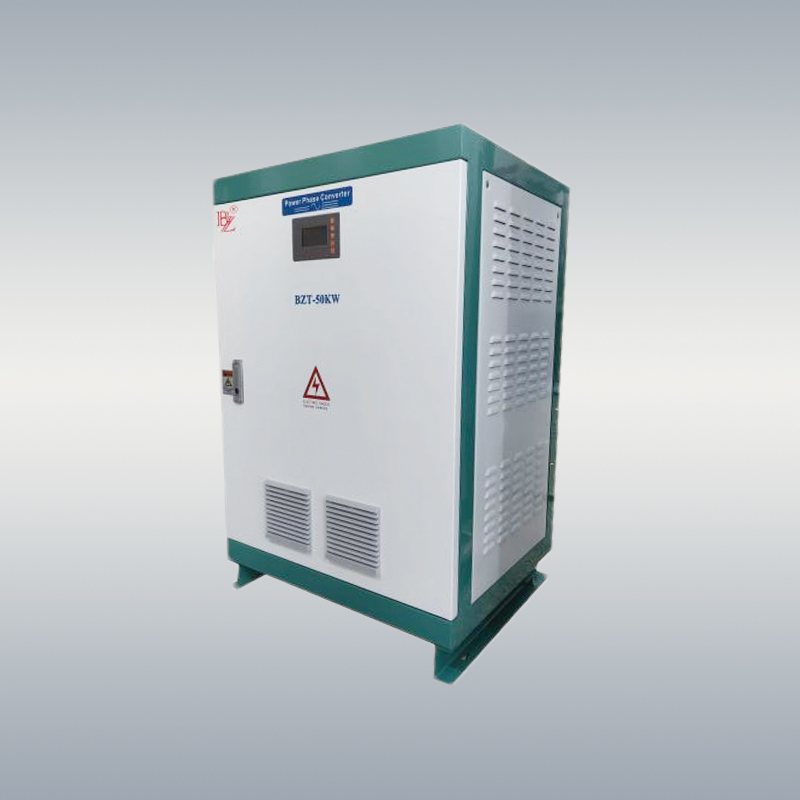
120/240V Split Phase to 380V AC Converter
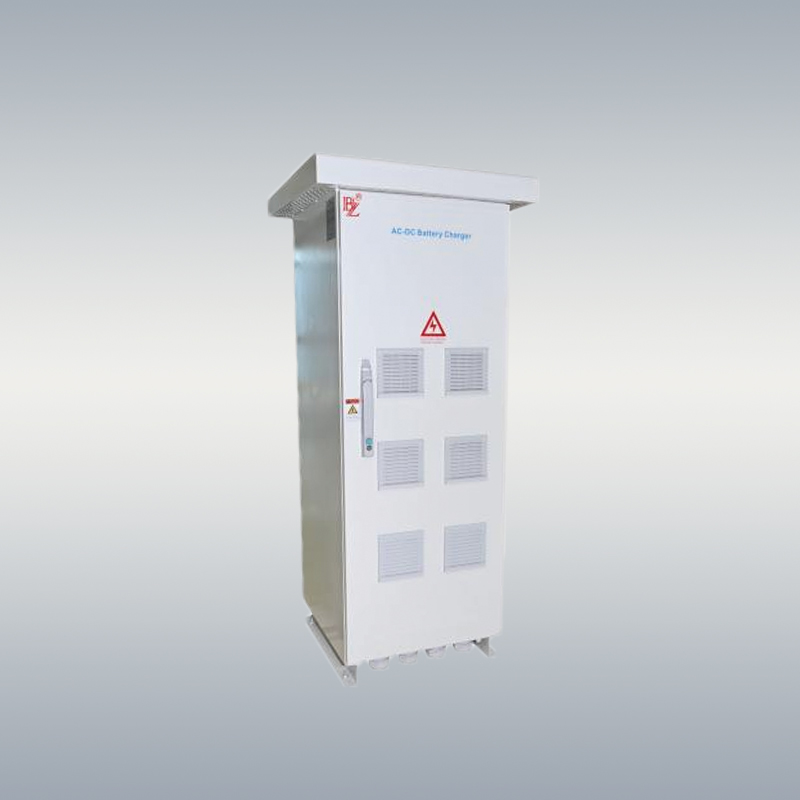
200kW AC-DC Charger
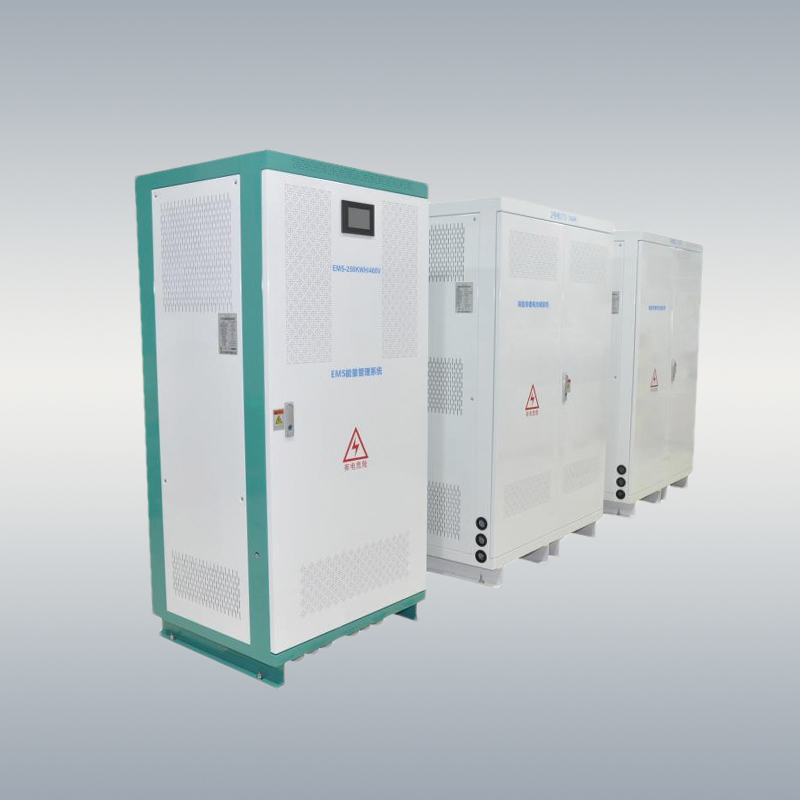
256kWh Storage System
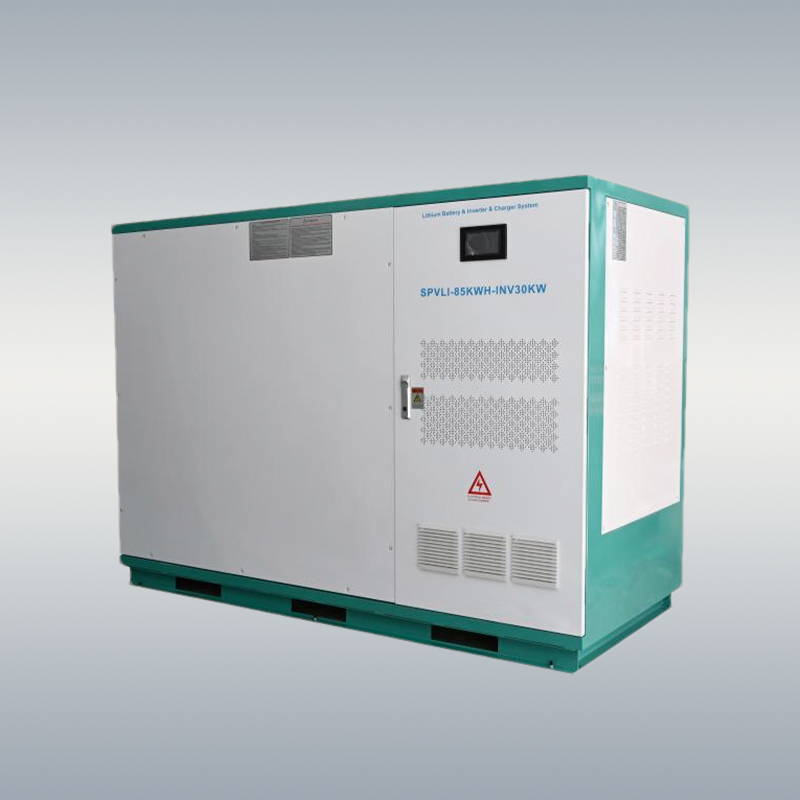
86kWh Storage System
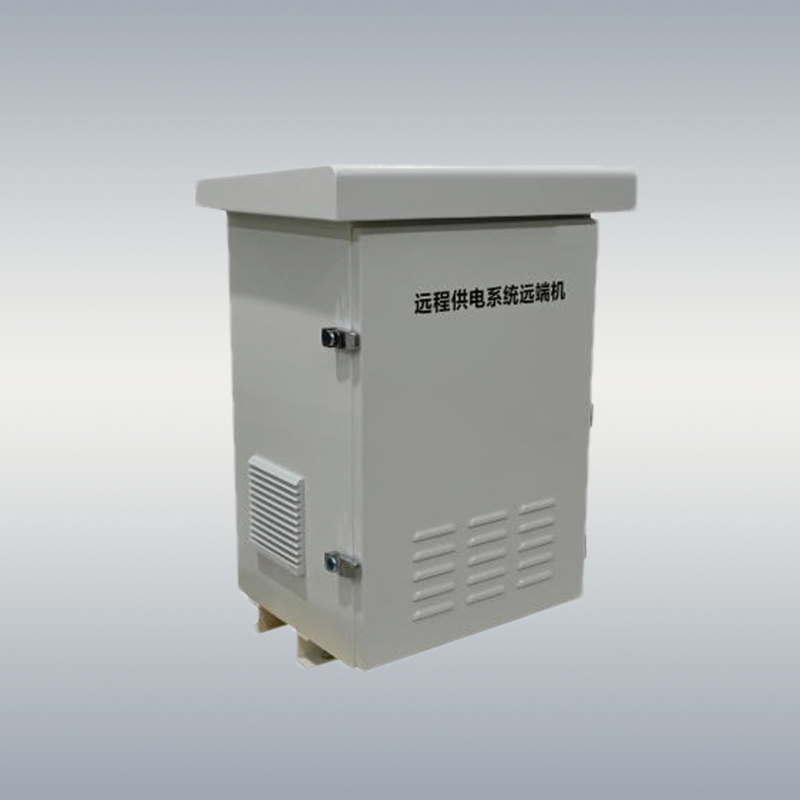
Outdoor Power Inverter
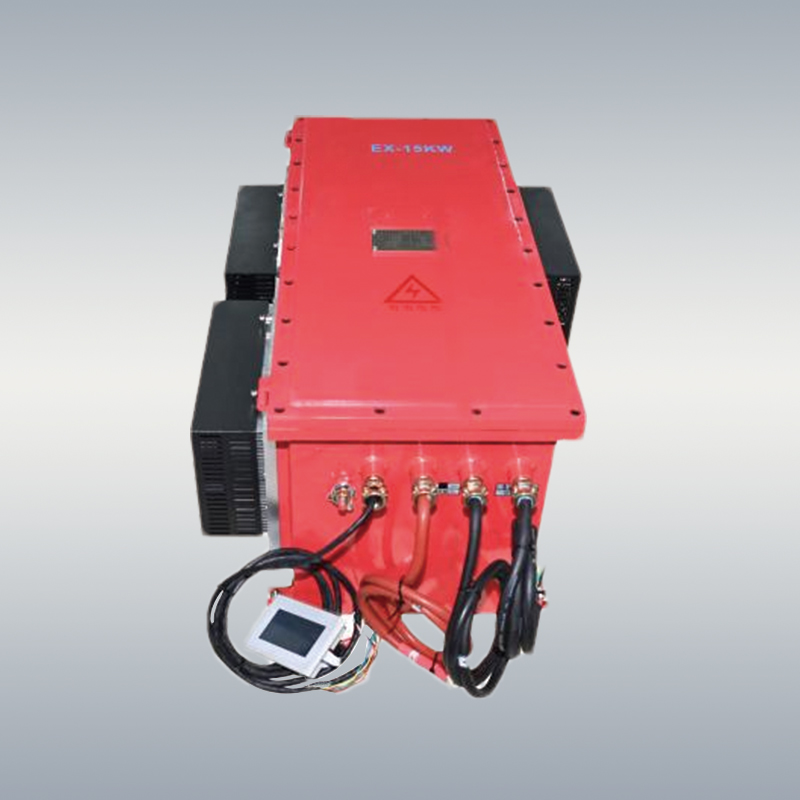
Explosion-Proof Power Inverter
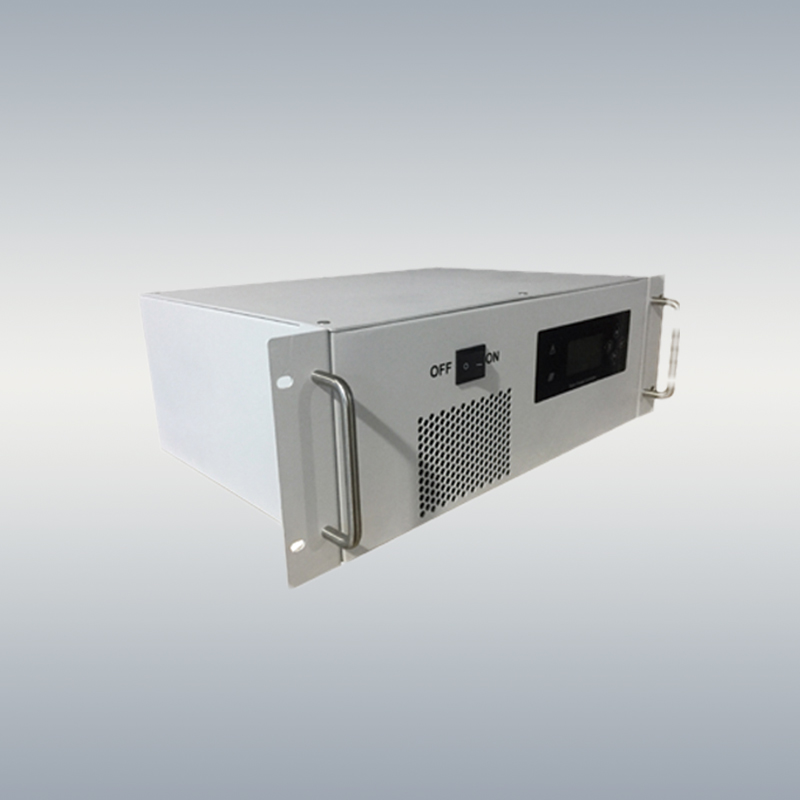
Rack Type Solar Charge Controller
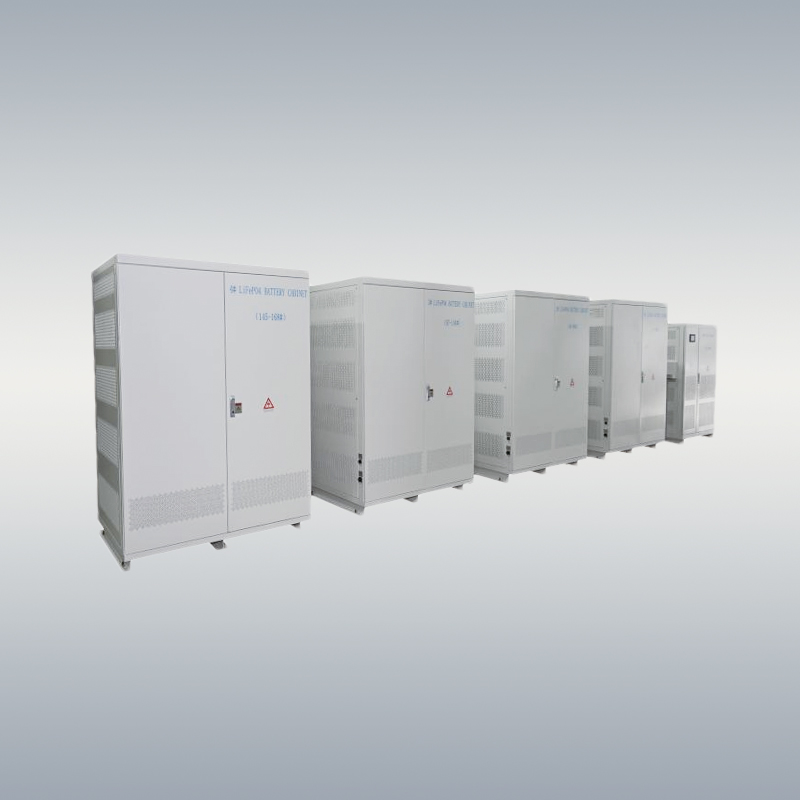
Solar Microgrid Storage System
600kWh Cell Welding
Bangzhao Electric Co., Ltd (Sandi Electric) regards technological innovation and best service as the fundamental pillars of business development — serving customers in over 60 countries worldwide.
Explore our complete range of mobile energy storage and on-board inverter systems — engineered for every off-grid challenge.