





News
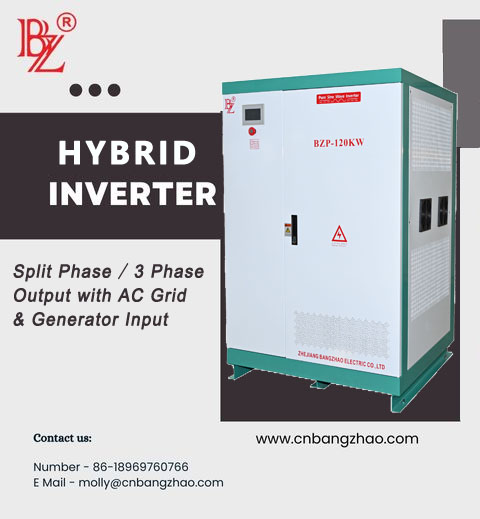
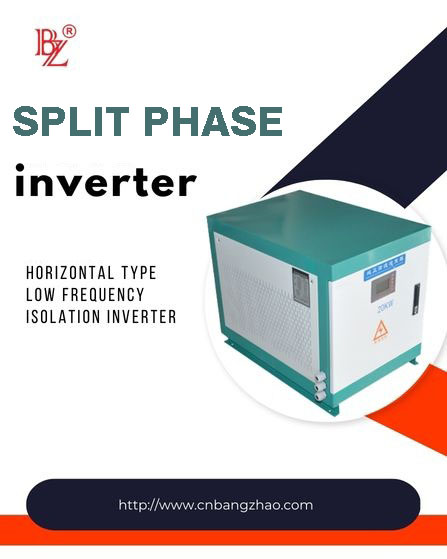
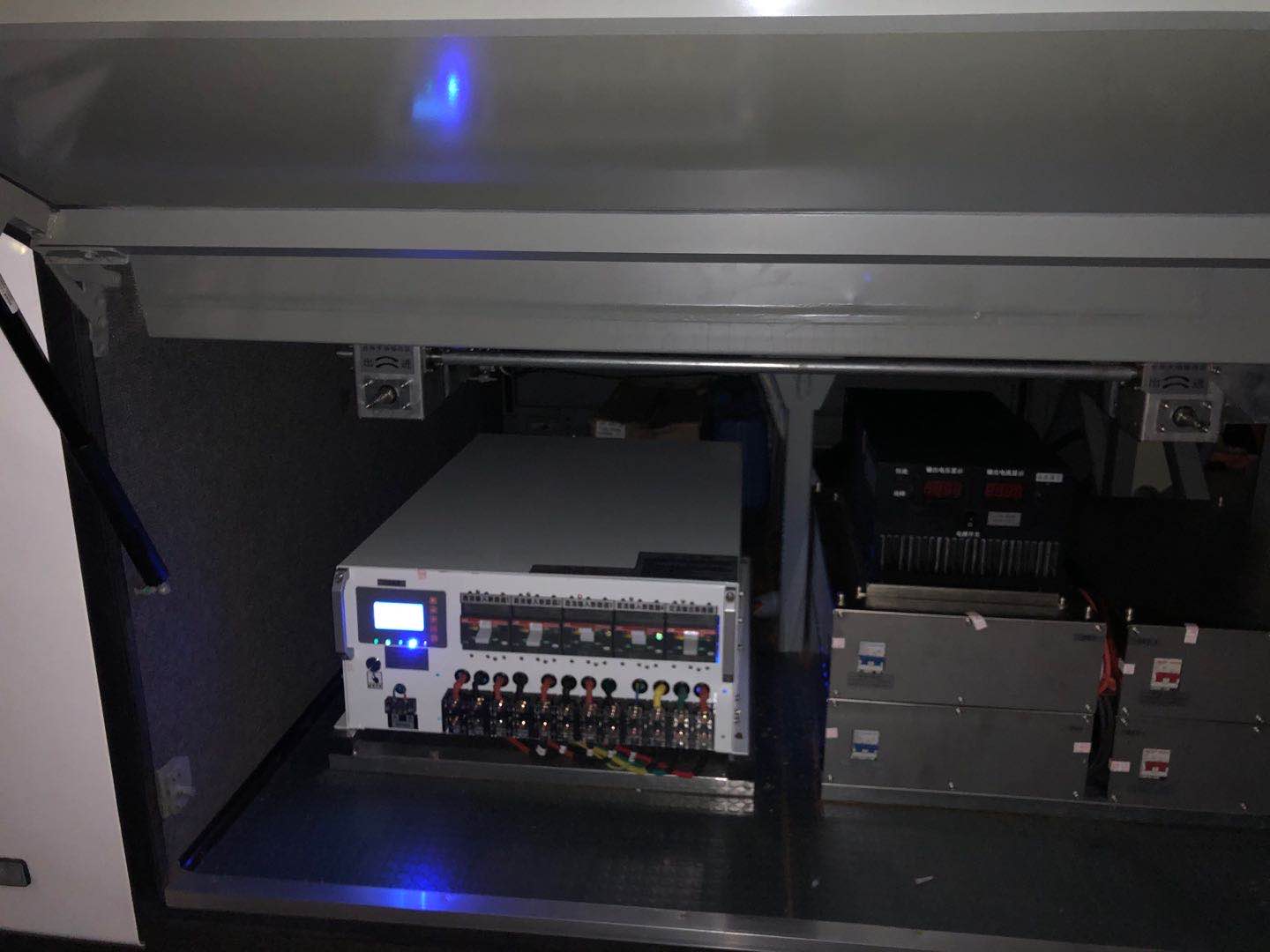
What Is a Hybrid Inverter?
Where Are Hybrid Inverters Used?
With an increasing need for clean energy sources, Hybrid Inverters have been successfully utilised in many different applications. Hybrid inverters are a versatile piece of equipment that can blend solar panels with battery storage, enabling them to be used in a wide variety of residential, commercial, and industrial applications. This article will cover where hybrid inverters are commonly found, highlight some key features and benefits of hybrid inverters, and answer a few common questions you may have about hybrid inverters.
How Do Hybrid Inverters Work?
Electricity is generated by photovoltaic solar panels as DC. The DC electricity generated is then fed into a hybrid solar inverter, which converts the DC energy into AC power suitable for appliances and at the same time charges the battery for later use. The inverter can continuously track energy usage and provide energy from the battery during peak electrical demand for the property or when the grid is down. If the property is connected to the local grid, the hybrid inverter may send surplus solar power back to the local utility, thereby creating the optimum way to use energy and reduce costs associated with energy. This ability to sell surplus energy also distinguishes it from standard Solar Inverters.
Where Are Hybrid Inverters Used?
Hybrid inverters offer a lot of flexibility and can be used for many purposes. Here is the most common use case:
1. Residential Properties
Home owners use solar hybrid inverter systems as an alternative way to lower their electric bills and to have backup power in the case of an outage. A hybrid inverter is responsible for utilizing energy produced from solar panels installed on the roof as well as stored energy in batteries to provide reliable power to appliances within a house. In areas where there is a high level of power outages, having access to an off-grid hybrid inverter becomes even more essential for home owners looking for ways to be energy independent.
2. Commercial Buildings
Hybrid inverters maximize energy consumption from both solar and properly sized batteries in commercial environments (offices, retailers, and warehouses). The energy produced by these systems can reduce utility costs, improve energy efficiency, and help businesses generate revenue from the sale of excess power to the electric grid. Many companies purchase large scale hybrid solar inverters to reach sustainability targets and improve return on investment.
3. Industrial Applications
Businesses that operate with complicated processes can improve their operations using hybrid inverters, as these systems provide a consistent supply of electrical power to industrial machinery and equipment. Industrial hybrid inverters are also practical for industries that operate in non-grid or remote locations, where the electric grid may be too far away or not provide consistent power sources. Consequently, many businesses are implementing hybrid inverter systems into off-grid locations to reduce their reliance on conventional electrical energy.
4. Hybrid Cars
Hybrid inverter vehicle technology is becoming popular within the auto industry due to uniqueness. Hybrid inverters manage power distribution from the vehicle engine, battery and other electronic systems. With the substantial increase in emphasis on fuel efficiency and environmentally friendly vehicles, this application will continue to expand significantly.
5. Rural and Remote Areas
With more hybrid solar inverters being deployed in rural/remote offgrid environments where there is little or no reliable access to mains electricity they are providing a viable means of providing power for houses, schools and health services in under served areas.
Frequently Asked Questions
Can a Hybrid Inverter Work with Solar Panels Only?
Indeed a hybrid inverter can function with solar alone, however it does offer additional benefits when coupled with a battery storage system. If there is no battery connected, then the hybrid inverter will function as if it were part of a grid-connected system, converting the solar energy produced and consuming it in real time (i.e., instantaneously) or feeding that energy into the power grid (i.e., to a utility).
What Is the Cost of a Hybrid Solar Inverter?
Depending on your requirements and the source of supply, the price of a hybrid solar inverter based on capacity, brand, and additional features like smart monitoring systems could range from several hundred to several thousand dollars. A basic hybrid solar inverter may sell for several hundred dollars and is sufficient for most residential needs. An extended hybrid solar inverter designed for commercial or industrial purposes is available in prices up to several thousand dollars. Properly investing in a hybrid solar inverter will provide you with significant long-term savings on your energy bills.
What Are Hybrid Inverter Applications?
Hybrid inverters are utilized in a wide range of applications: in homes, businesses, industries, automobiles that run on both electric and gasoline (hybrid vehicles), as well as in off-grid situations where there’s no traditional electric power source. Hybrid inverters can use both solar energy generation and battery storage to offer flexibility in their application.
Conclusion
Hybrid inverters are fast evolving into the building blocks of contemporary energy systems. They provide companies, residences and other commercial enterprises with a method for managing their energy needs affordably, reliably and sustainably. If you are trying to reduce your electricity bills, eliminate power outages or supply electric power to a rural area then solar hybrid inverter should be considered. Researching the functioning of hybrid inverters and their most common uses will help you choose the correct inverter for your electric power requirements.